


Morocco once again demonstrated why they have become one of the most respected tactical teams in international football. In one of the most anticipated matches of the 2026 FIFA World Cup, the Atlas Lions successfully contained Brazil's star-studded attack through a disciplined defensive structure, intelligent pressing triggers, and devastating counterattacks. Against a team renowned for creativity, flair, and technical brilliance, Morocco produced a tactical performance that frustrated the Samba giants and highlighted the growing evolution of North African football.
For readers searching for Morocco vs Brazil tactical analysis, how Morocco stopped Brazil at the World Cup, Morocco defensive counterattack strategy, and 2026 FIFA World Cup tactical breakdown, this match offers a fascinating case study in how organization and discipline can overcome superior possession and individual talent.
The result immediately became one of the tournament's biggest talking points, attracting attention from supporters following Brazil Jerseys, Argentina Jerseys, France Jerseys, and England Jerseys, all regarded as contenders for World Cup glory.
Why Was Morocco's Tactical Plan So Effective?
Morocco entered the match fully aware that controlling possession against Brazil would be extremely difficult. Instead of engaging in an open attacking contest, the Atlas Lions focused on maintaining a compact defensive shape and exploiting transition opportunities whenever possession was regained.
This approach forced Brazil to play in front of Morocco's defensive lines rather than behind them. By limiting space between defenders and midfielders, Morocco significantly reduced the areas where Brazilian attackers typically thrive.
The strategy required discipline, concentration, and collective effort, all of which Morocco executed at an exceptionally high level.
How Did Morocco Limit Brazil's Creative Players?
Brazil's attacking system relies heavily on technical players receiving the ball in dangerous spaces between the lines. Morocco's midfield and defensive units worked together to deny these opportunities.
Whenever Brazil attempted to progress centrally, Moroccan midfielders immediately compressed space, forcing play toward wider areas. This prevented the Brazilian attack from developing the fluid combinations that often make them one of the most dangerous teams in international football.
Rather than chasing the ball aggressively, Morocco prioritized positional discipline, ensuring that defensive balance was never compromised.
What Role Did Defensive Compactness Play?
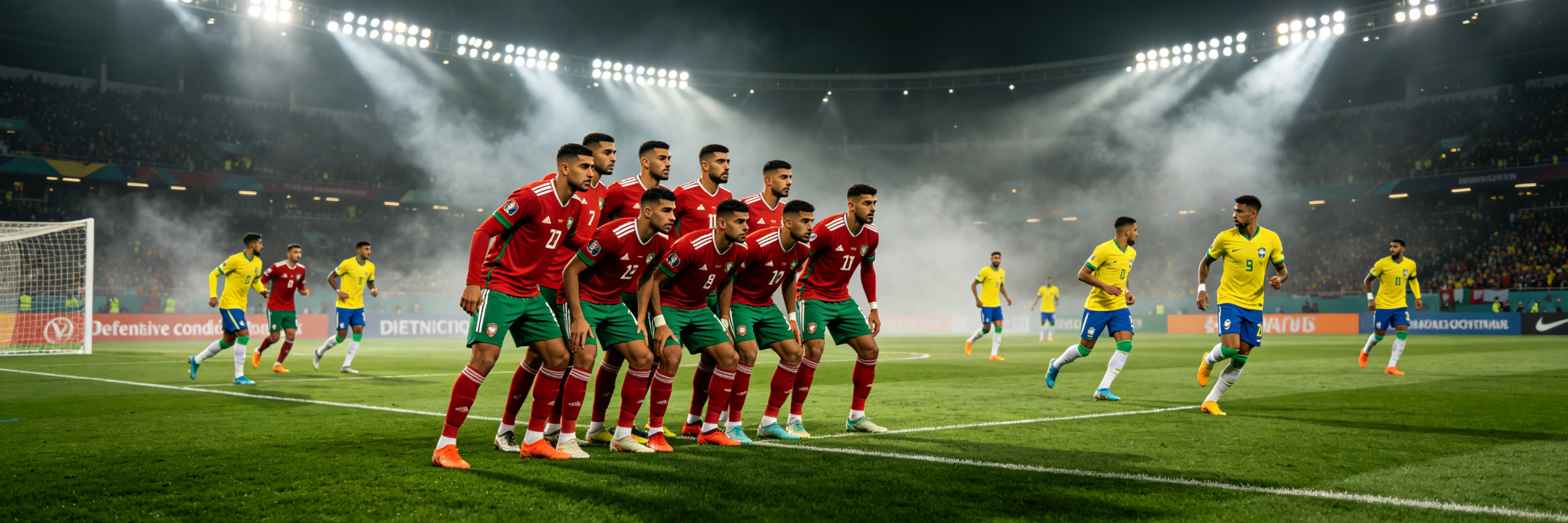
The foundation of Morocco's success was their compact defensive block. The distance between the defensive line and midfield remained remarkably consistent throughout the match, leaving very little room for Brazilian attackers to operate.
This compactness forced Brazil into predictable attacking patterns, often relying on crosses and long-range efforts instead of penetrating through central areas.
Teams known for similar defensive discipline include those represented by Croatia Jerseys, Uruguay Jerseys, Germany Jerseys, and Scotland Jerseys, where tactical organization often takes priority over possession statistics.
How Did Morocco Launch Dangerous Counterattacks?
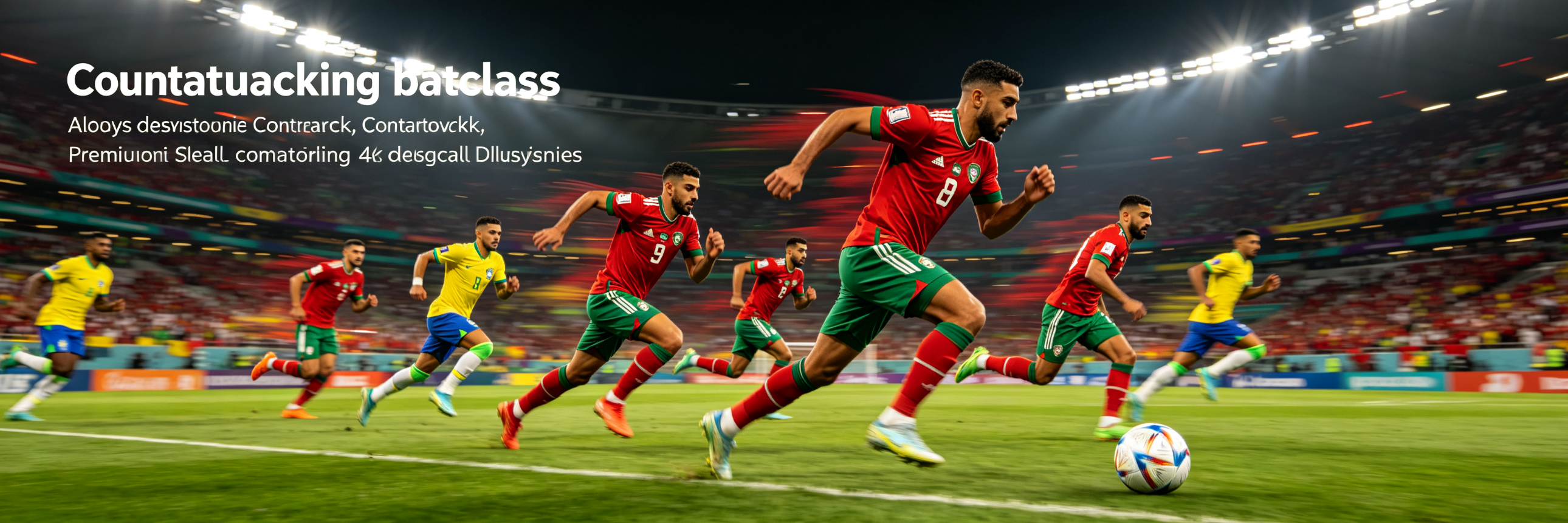
While Morocco spent significant periods defending, they never abandoned their attacking ambitions. The moment possession was recovered, the team transitioned forward with remarkable speed and precision.
Midfielders immediately searched for vertical passing lanes, while attackers made aggressive runs into the spaces left behind Brazil's advancing full-backs. These rapid transitions transformed defensive recoveries into dangerous scoring opportunities within seconds.
The effectiveness of these counterattacks forced Brazil to remain cautious when committing players forward, subtly altering their attacking approach.
Why Were Transition Moments the Key Battleground?
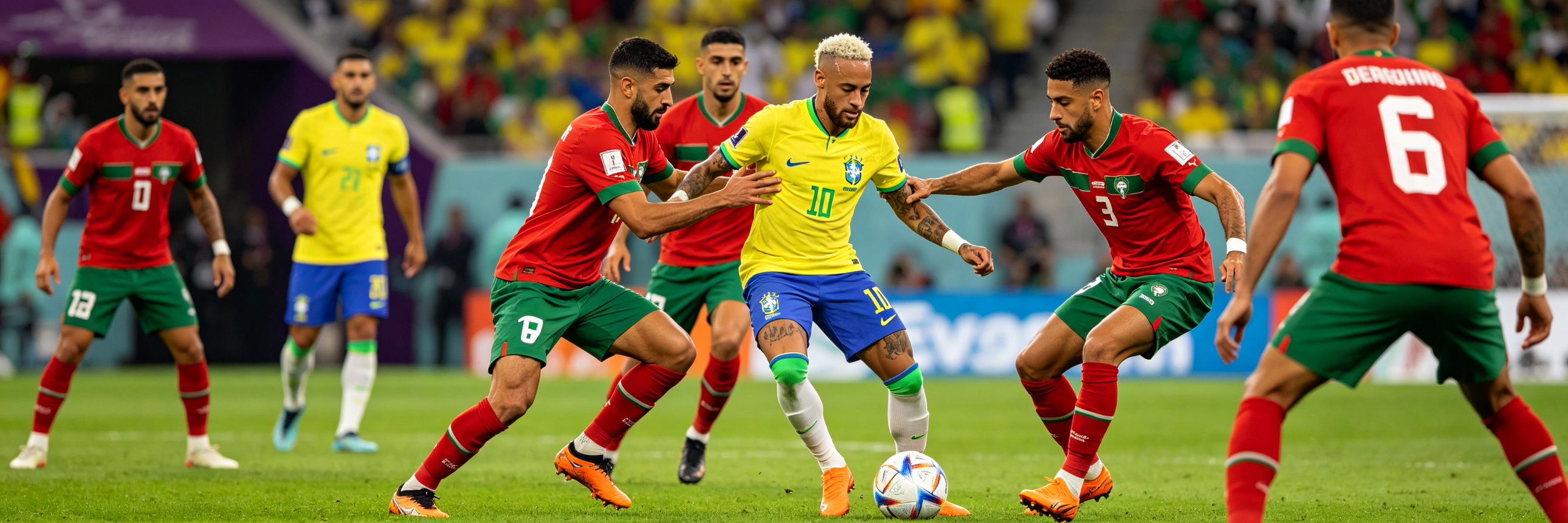
Modern football is increasingly defined by transitions, and this match provided a perfect example. Every turnover created opportunities for Morocco to attack while Brazil's defensive structure was temporarily exposed.
Morocco's ability to recognize and exploit these moments was crucial. Rather than slowing the game down, they accelerated play immediately after regaining possession, catching Brazilian defenders out of position on multiple occasions.
This tactical approach has become one of the most effective weapons in international football, particularly against possession-dominant opponents.
How Did Morocco Handle Brazil's Wide Threat?
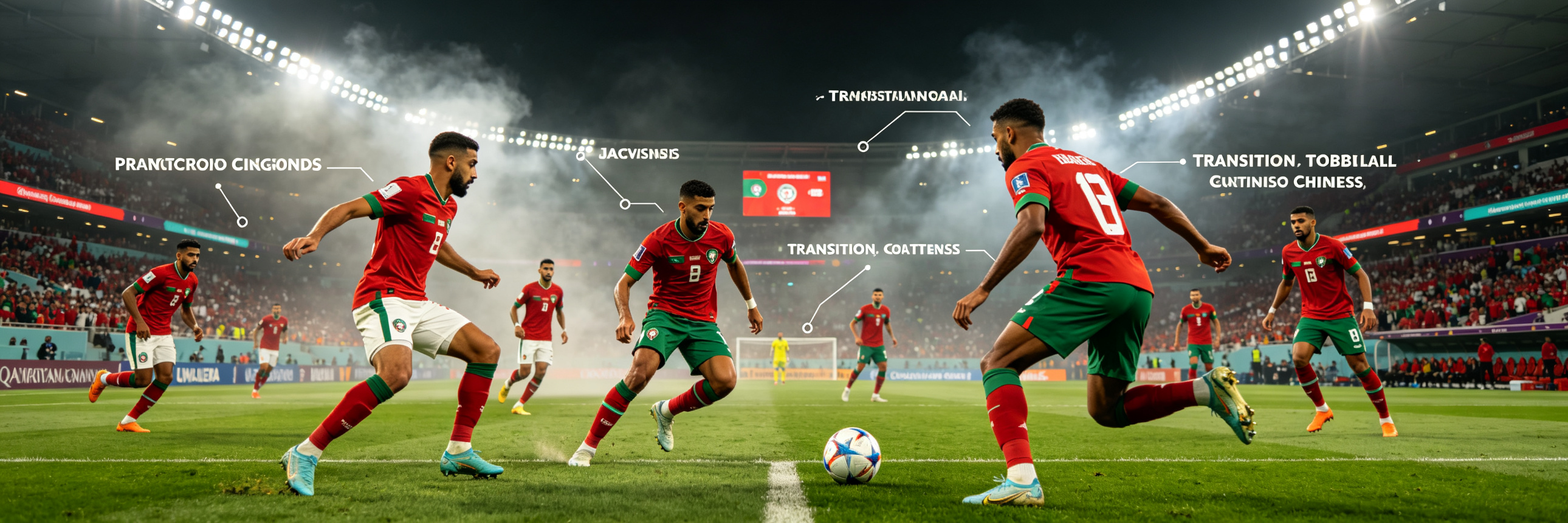
Brazil attempted to stretch Morocco's defensive shape by utilizing width and encouraging overlapping runs from full-backs. However, Morocco responded with disciplined defensive rotations and excellent communication.
Wide midfielders consistently tracked runners, while defenders remained patient when facing one-on-one situations. This collective effort minimized crossing opportunities and reduced the effectiveness of Brazil's wing play.
For fans researching how to defend against attacking full-backs and defensive tactics against possession teams, Morocco's performance offers valuable tactical insights.
What Does This Result Mean for Morocco's World Cup Campaign?

The performance reinforces Morocco's reputation as one of the most tactically intelligent teams in world football. Their ability to compete with and frustrate elite opponents demonstrates that they are no longer viewed as underdogs but as legitimate contenders capable of challenging football's traditional powers.
For supporters searching for Morocco World Cup tactical strengths, Atlas Lions defensive system explained, and Morocco knockout stage chances, this match provides compelling evidence that the team possesses the structure and mentality required for a deep tournament run.
Can Brazil Learn From This Performance?
Despite their immense quality, Brazil encountered difficulties breaking down a highly organized defensive opponent. The match highlighted the importance of patience, positional variation, and movement against compact defensive blocks.
Future opponents may attempt to replicate aspects of Morocco's strategy, making tactical adaptability increasingly important for the Samba side as the tournament progresses.
Football fans are also watching the tactical evolution of teams featuring Spain Jerseys, Portugal Jerseys, Netherlands Jerseys, and Belgium Jerseys, all of whom may face similar defensive challenges later in the competition.
Key Tactical Lessons From Morocco vs Brazil
- Defensive compactness remains one of the most effective ways to stop elite attacking teams.
- Transition moments often determine the outcome of high-level international matches.
- Positional discipline can neutralize superior individual talent.
- Counterattacking football remains highly effective when executed with precision.
- Collective defensive effort is essential against possession-dominant opponents.
Related National Team Collections
- Morocco Jerseys
- Brazil Jerseys
- Argentina Jerseys
- France Jerseys
- England Jerseys
- Germany Jerseys
- Spain Jerseys
- Portugal Jerseys
- Netherlands Jerseys
- Croatia Jerseys
Conclusion: Morocco's Tactical Blueprint Stuns Another Giant
Morocco's performance against Brazil was a masterclass in defensive organization and counterattacking efficiency. Through compact positioning, intelligent space management, disciplined teamwork, and rapid transitions, the Atlas Lions successfully limited one of the world's most talented attacking teams. The result further strengthens Morocco's growing reputation as a tactical powerhouse capable of competing with football's elite. If they continue to execute this strategy with the same precision, the Atlas Lions may once again become one of the most compelling stories of the 2026 FIFA World Cup.