

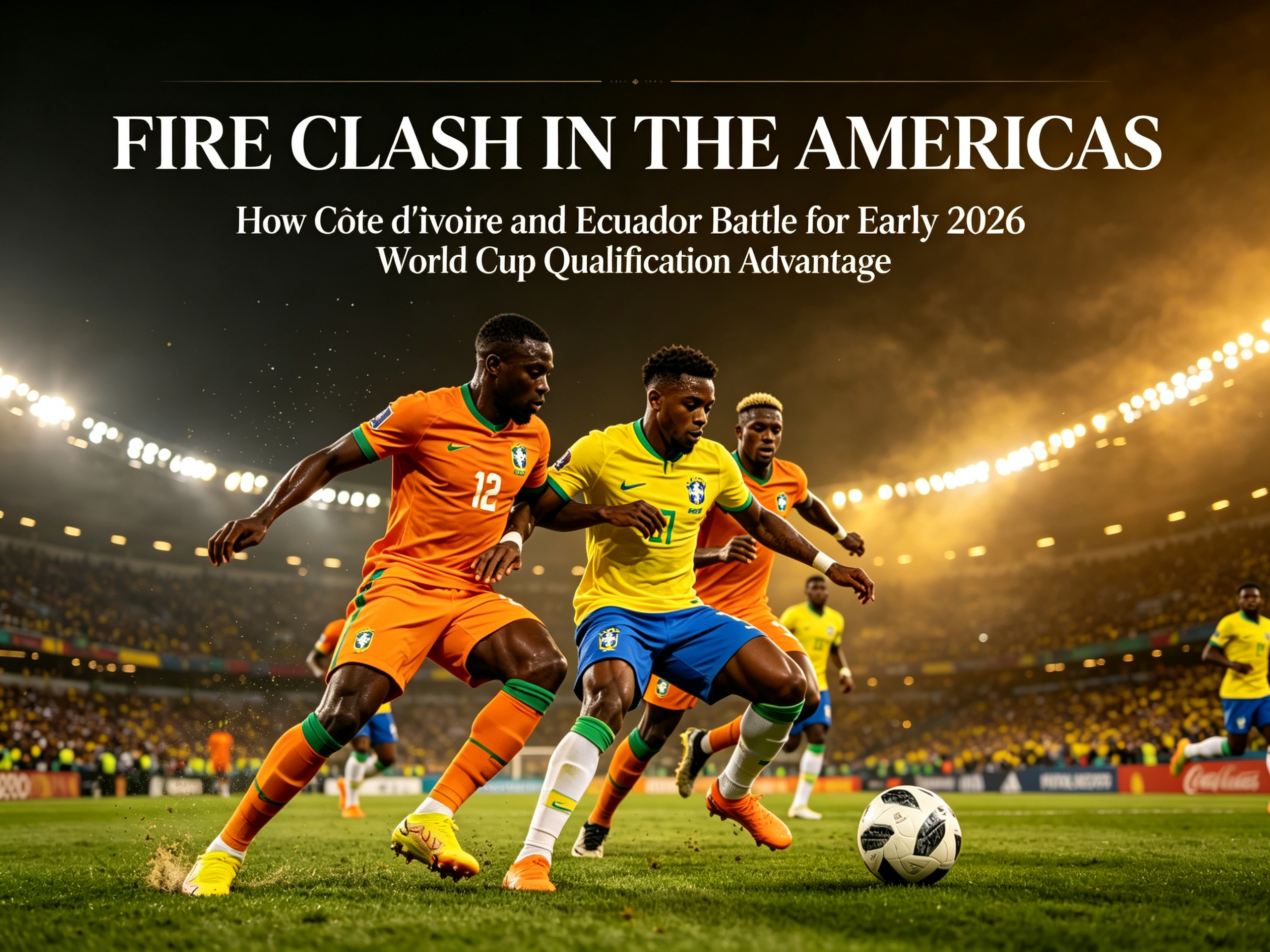
The 2026 FIFA World Cup continues to deliver high-intensity encounters, and the showdown between Côte d’Ivoire and Ecuador stands out as one of the most competitive fixtures in the group stage. Both teams entered the match with similar ambitions: secure early momentum, control qualification destiny, and establish dominance in a tightly contested group.
For readers searching for Côte d’Ivoire vs Ecuador tactical analysis, 2026 FIFA World Cup Group stage qualification battle, Africa vs South America tactical clash, and how Côte d’Ivoire and Ecuador compete for World Cup qualification, this match offers a rich tactical narrative shaped by physicality, speed, and disciplined organization.
The encounter also drew attention from global football fans tracking elite teams such as Brazil Jerseys, Argentina Jerseys, France Jerseys, and England Jerseys, all of whom remain strong contenders in the tournament race.
Why Is Côte d’Ivoire vs Ecuador Such an Important Group Stage Match?
This fixture represents more than just three points. It is a direct confrontation between two teams with contrasting football identities. Côte d’Ivoire relies heavily on physical strength, explosive attacking transitions, and individual brilliance, while Ecuador emphasizes compact structure, collective pressing, and tactical discipline.
The outcome of this match could significantly influence group standings, making it one of the most strategically important clashes in the early tournament phase.
How Does Côte d’Ivoire Approach High-Stakes Matches?
Côte d’Ivoire typically thrives in open, physically demanding games where individual talent can make the difference. Their midfield and attacking lines are built around pace, power, and direct forward movement.
In matches like this, they often attempt to accelerate the tempo, pushing the opposition backward and creating space for attacking players to exploit one-on-one situations.
However, their success depends heavily on maintaining defensive balance, especially when facing organized South American teams like Ecuador.
What Is Ecuador’s Tactical Identity?
Ecuador has developed a reputation for disciplined, structured football. Their tactical system is based on compact defensive lines, aggressive midfield pressing, and quick transitions into attack.
They are particularly effective at closing central spaces and forcing opponents into wide areas, where defensive pressure becomes easier to manage.
For fans analyzing South American tactical systems at the World Cup, Ecuador represents one of the most organized and difficult teams to break down.
How Do These Styles Clash on the Pitch?
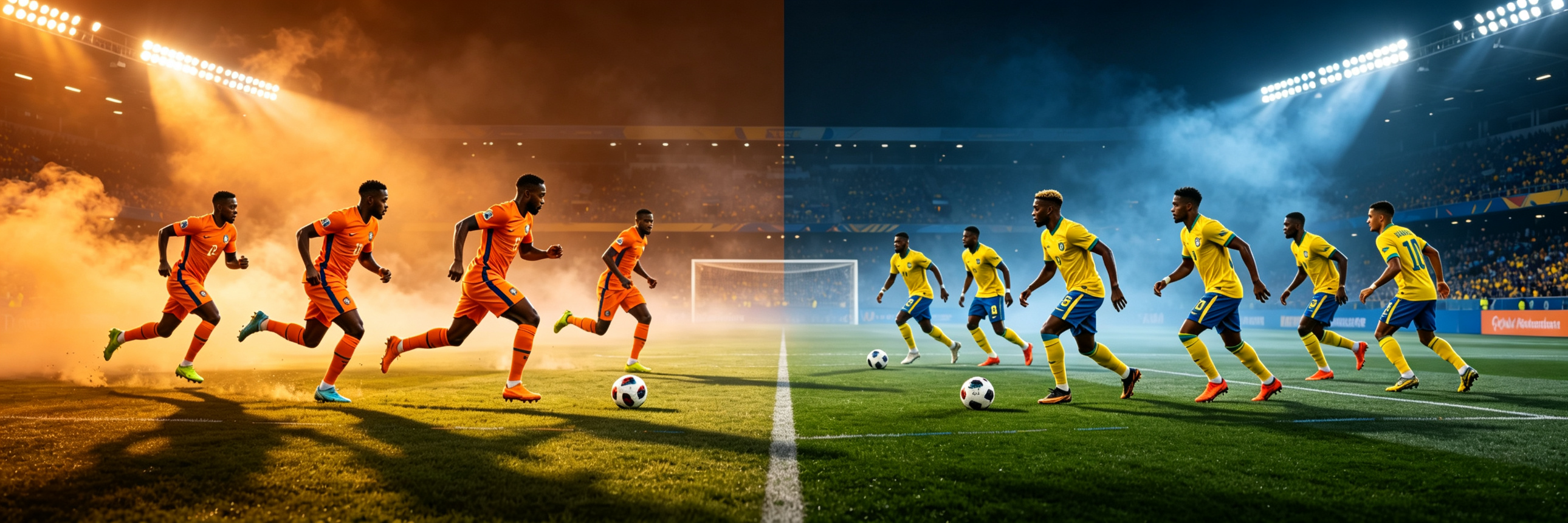
The matchup between Côte d’Ivoire and Ecuador is a classic contrast between power and structure. Côte d’Ivoire attempts to break lines through speed and physical dominance, while Ecuador focuses on controlling space and minimizing risk.
When Côte d’Ivoire succeeds in accelerating transitions, they can overwhelm defensive structures. However, if Ecuador maintains its compact shape, it can neutralize much of the direct attacking threat.
This tactical tension is what makes the match so unpredictable and exciting.
Which Team Has the Midfield Advantage?
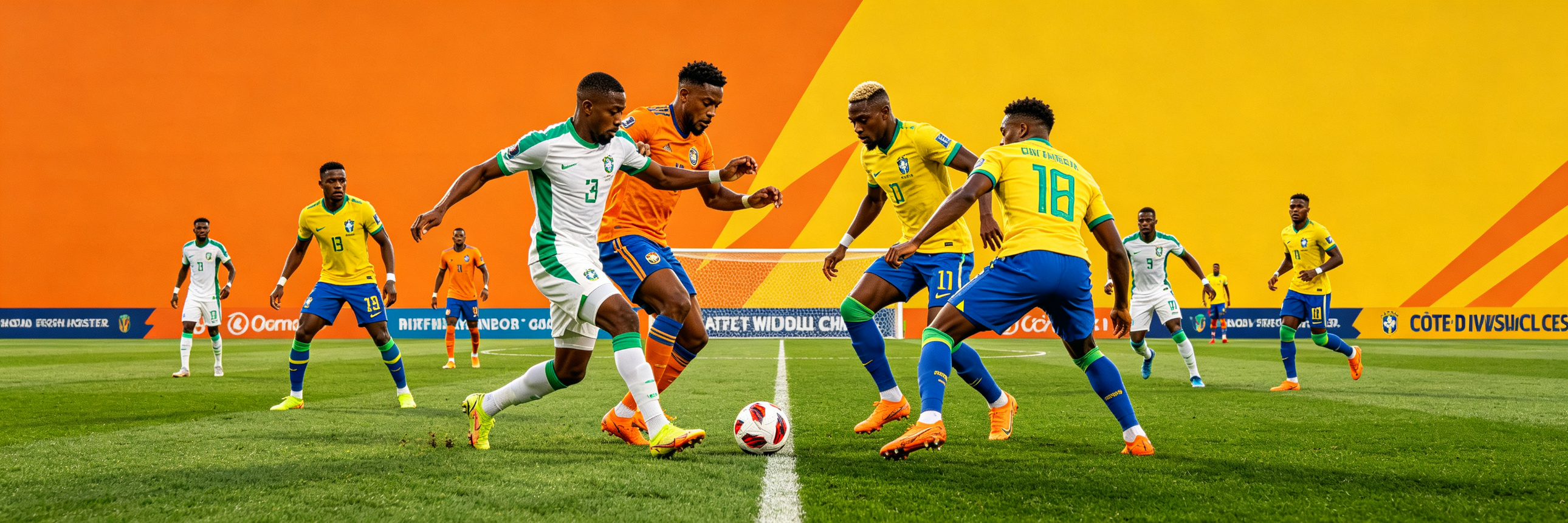
Midfield control will likely determine the flow of the match. Côte d’Ivoire relies on dynamic midfielders who can carry the ball forward quickly, while Ecuador emphasizes collective movement and defensive positioning.
If Ecuador succeeds in compressing space, Côte d’Ivoire may struggle to connect midfield play with attacking runs. Conversely, if Côte d’Ivoire breaks through the first pressing line, they can create dangerous overloads in transition.
Teams with similar midfield structures include those wearing Germany Jerseys, Spain Jerseys, Portugal Jerseys, and Netherlands Jerseys.
What Role Do Transitions Play in This Match?
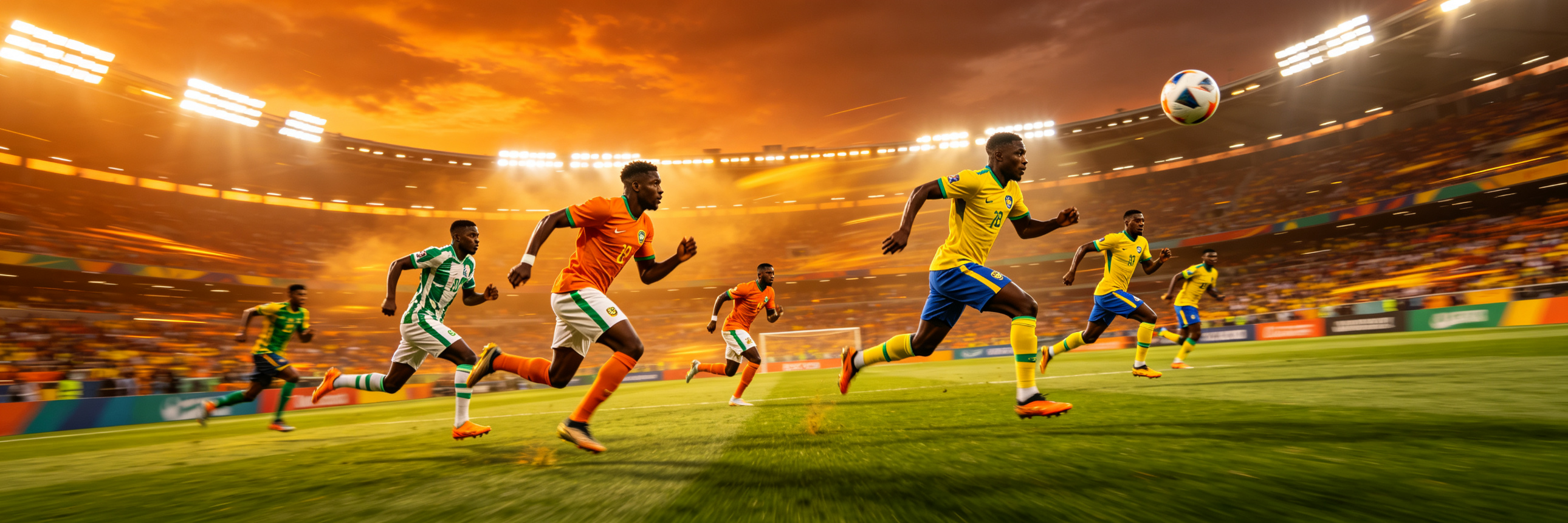
Both teams are highly effective in transition phases, making counterattacks a crucial part of the tactical battle. Côte d’Ivoire looks to exploit speed in wide areas, while Ecuador aims to quickly move the ball forward after winning possession.
The team that manages transitions more efficiently is likely to gain a significant advantage, especially in a tightly contested match where clear chances may be limited.
How Important Is Defensive Organization?
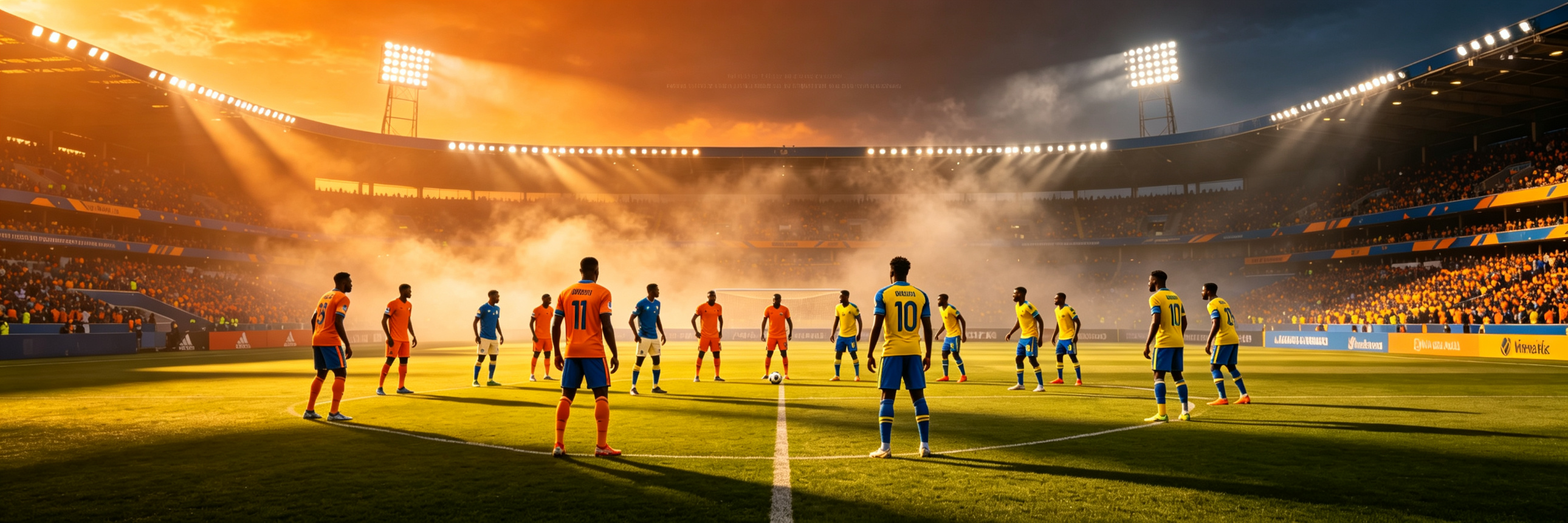
Defensive structure will be critical for both sides. Côte d’Ivoire must remain compact when attacking to avoid exposing space behind their full-backs, while Ecuador must maintain discipline when dealing with physical duels and aerial challenges.
Any breakdown in organization could immediately shift the momentum of the match.
This is often the deciding factor in World Cup group stage encounters where margins are extremely small.
What Could Decide the Match?
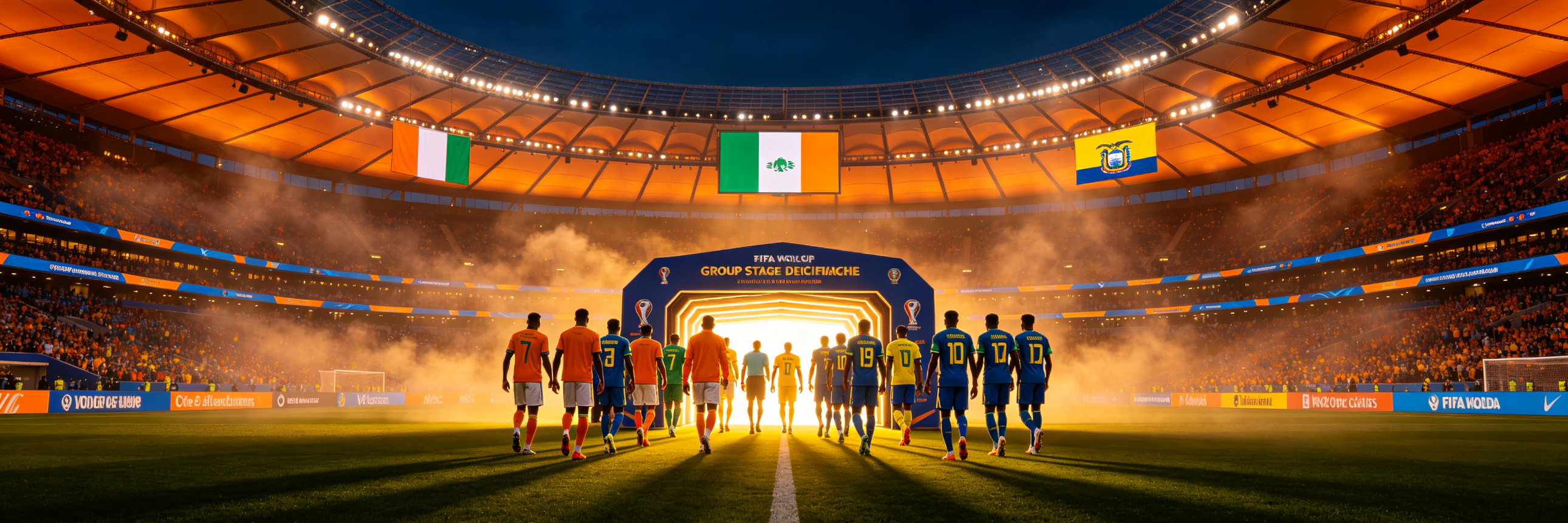
Several key factors may determine the outcome:
- Effectiveness of midfield pressing and ball recovery
- Success in transition moments
- Defensive discipline under pressure
- Conversion rate of limited scoring opportunities
- Individual brilliance in key attacking moments
Related National Team Collections
- Côte d’Ivoire Jerseys
- Ecuador Jerseys
- Brazil Jerseys
- Argentina Jerseys
- France Jerseys
- England Jerseys
- Germany Jerseys
- Spain Jerseys
- Portugal Jerseys
- Netherlands Jerseys
Conclusion: A Group Stage Battle Defined by Fine Margins
Côte d’Ivoire vs Ecuador represents a fascinating clash of football philosophies at the 2026 FIFA World Cup. With contrasting tactical identities, both teams bring unique strengths that make the outcome difficult to predict. Whether decided by a moment of individual brilliance, a defensive error, or a perfectly executed transition, this match could play a decisive role in shaping the group standings. In a tournament defined by intensity and unpredictability, such encounters highlight the importance of tactical balance, discipline, and efficiency at the highest level.