

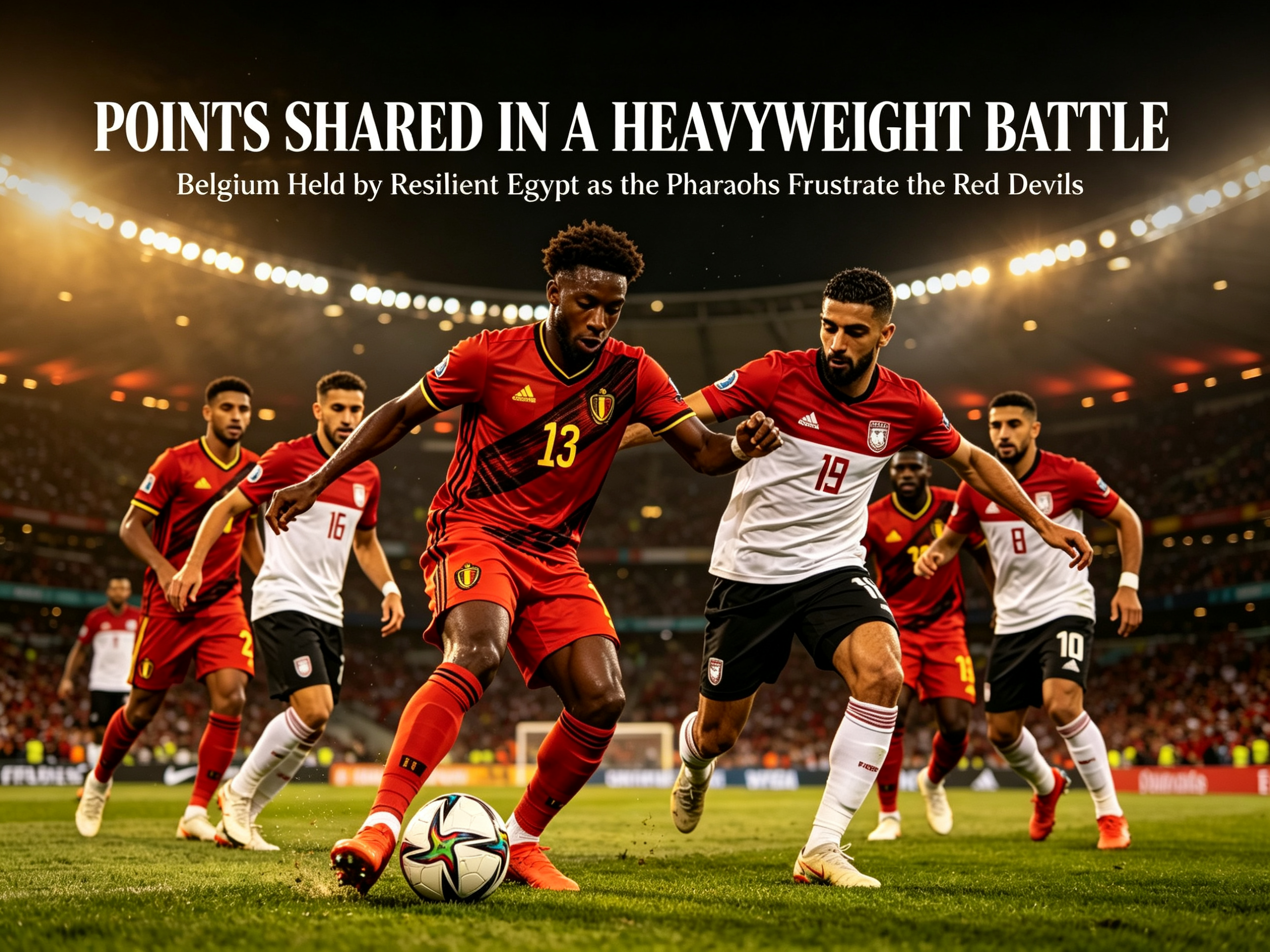
One of the most anticipated fixtures of the 2026 FIFA World Cup group stage delivered intensity, tactical intrigue, and dramatic moments as Belgium and Egypt battled to a hard-fought draw. While Belgium entered the match as favorites thanks to their technical quality and attacking depth, Egypt once again showcased why they remain one of Africa's most difficult teams to defeat on the international stage.
For readers searching for Belgium vs Egypt tactical analysis, Belgium draw against Egypt World Cup, Egypt defensive strategy explained, 2026 FIFA World Cup group stage review, and how Egypt stopped Belgium, this match offers valuable insight into how organization and discipline can neutralize elite attacking talent.
The result immediately became a major talking point among supporters following tournament contenders such as Brazil Jerseys, Argentina Jerseys, France Jerseys, and England Jerseys, highlighting just how competitive the race for qualification has become.
Why Was Belgium vs Egypt One of the Most Interesting Matches of the Group Stage?
This encounter featured two teams with contrasting football philosophies. Belgium relied on possession, technical combinations, and attacking creativity, while Egypt emphasized defensive compactness, midfield discipline, and quick transitions.
The clash between European attacking football and African tactical resilience created a fascinating battle that remained competitive from the opening whistle until the final minute.
Both teams understood the importance of avoiding defeat, making every tactical decision crucial throughout the match.
How Did Belgium Attempt to Control the Game?
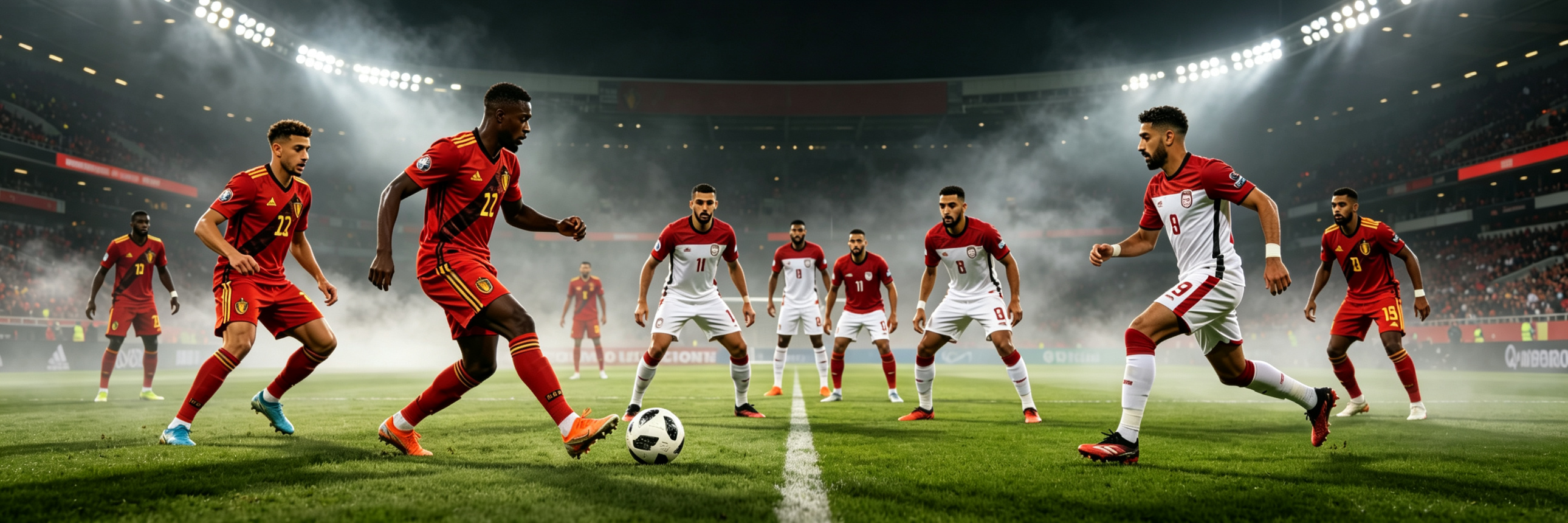
Belgium sought to dominate possession and dictate the tempo through patient build-up play. Their midfielders frequently rotated positions, looking to create passing lanes and stretch Egypt's defensive structure.
The Red Devils controlled large portions of the ball and spent significant time in advanced areas, but possession alone was not enough to consistently break down Egypt's disciplined defensive block.
This challenge is increasingly common in modern international football, where organized defensive systems can often neutralize superior technical quality.
What Made Egypt's Defensive Performance So Effective?
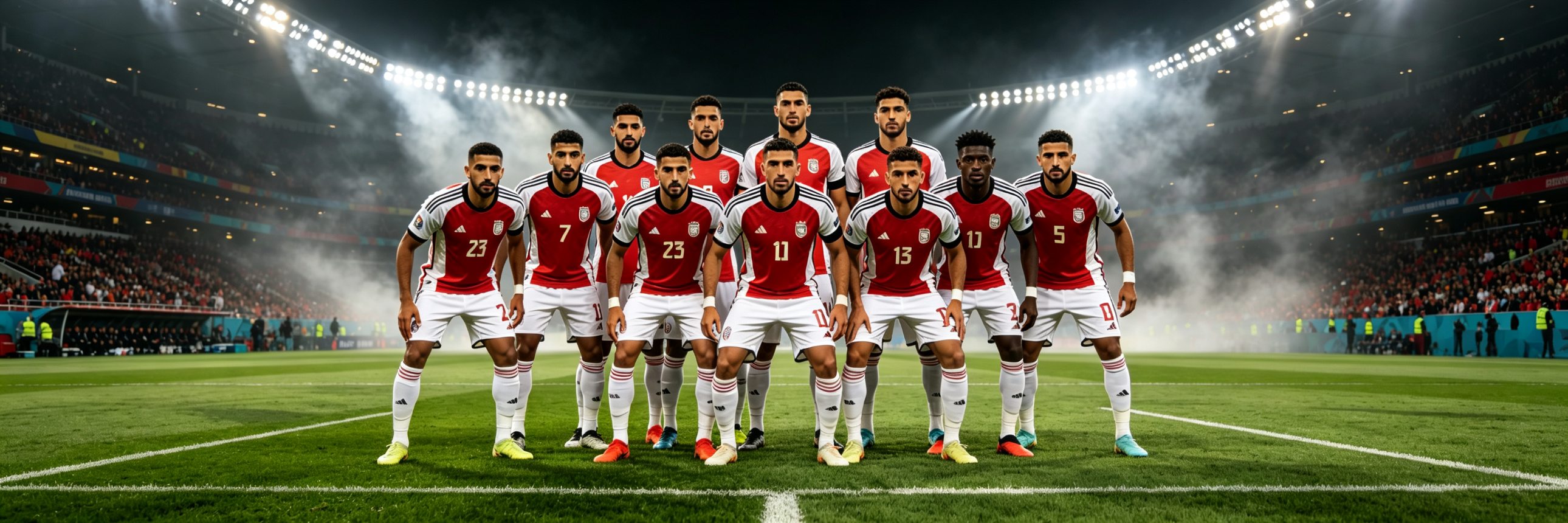
Egypt's defensive organization was the foundation of their success. The Pharaohs maintained a compact shape, ensuring that space between midfield and defense remained extremely limited.
Whenever Belgium attempted to penetrate central areas, Egyptian players immediately compressed the space around the ball, forcing attacks toward wider positions.
This disciplined approach reduced Belgium's ability to create clear-cut scoring opportunities despite controlling possession.
Fans of defensive football often appreciate teams represented by Morocco Jerseys, Croatia Jerseys, Uruguay Jerseys, and Scotland Jerseys, where tactical discipline remains a key strength.
How Important Were Counterattacks for Egypt?
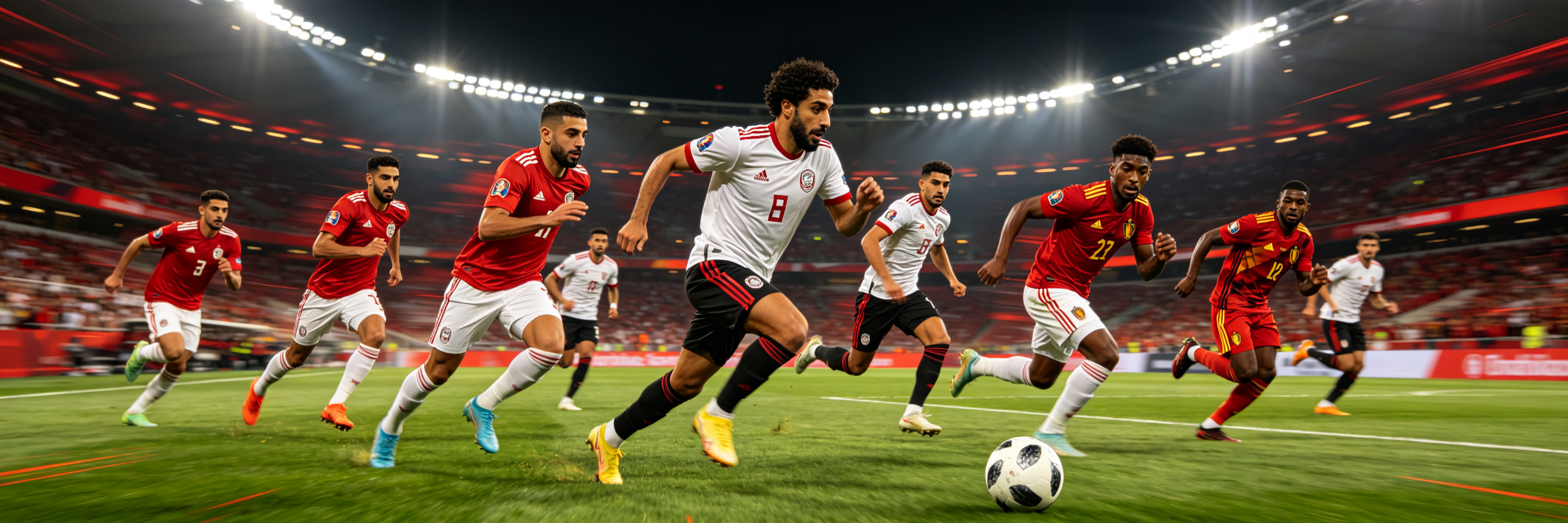
Although Egypt spent extended periods defending, they remained a constant threat during transition moments. Their strategy focused on winning possession and quickly attacking the spaces left behind Belgium's advancing players.
These rapid counterattacks prevented Belgium from committing too many players forward and ensured that Egypt remained competitive despite spending less time on the ball.
Several dangerous opportunities emerged from these transitions, demonstrating the effectiveness of Egypt's tactical planning.
Who Won the Midfield Battle?
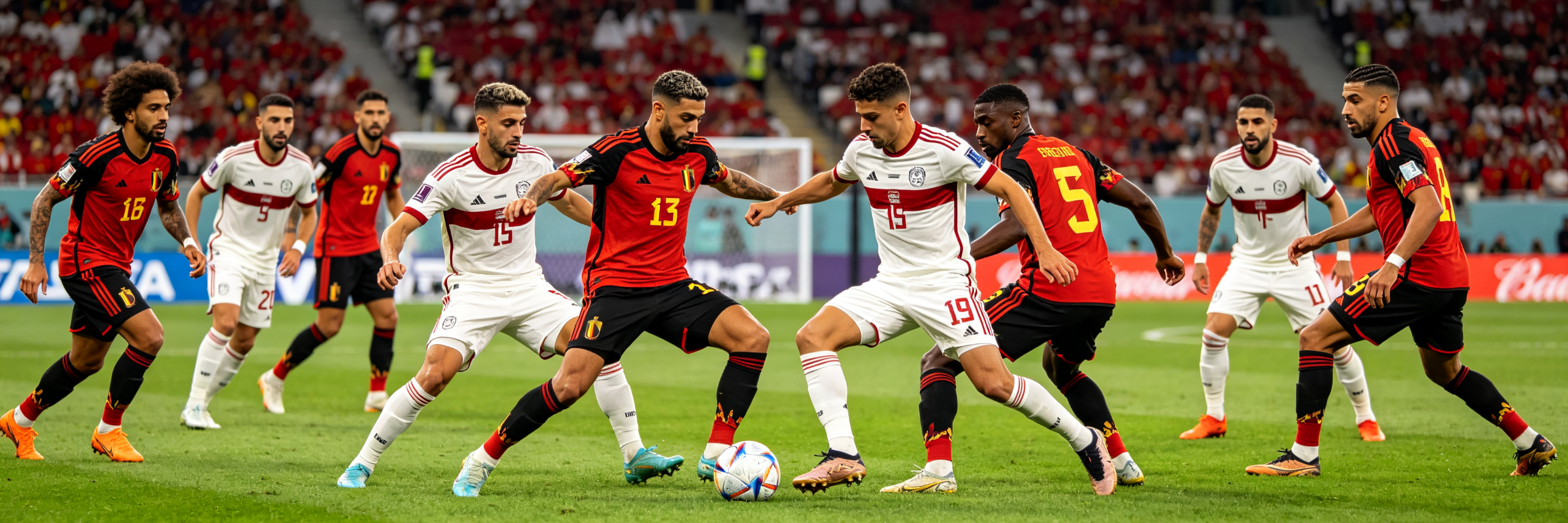
The midfield contest was one of the most important aspects of the match. Belgium controlled possession statistics, but Egypt successfully disrupted rhythm and prevented sustained dominance in dangerous central zones.
By remaining compact and coordinated, Egypt transformed what could have been a Belgian advantage into a balanced tactical battle.
Midfield control often determines outcomes at major tournaments, and this match was no exception.
Why Could Belgium Not Secure All Three Points?
Belgium's biggest challenge was converting possession into high-quality chances. While they circulated the ball effectively, Egypt's defensive structure limited opportunities near the penalty area.
Many attacks ended with crosses, long-range efforts, or passes into crowded spaces. Without sufficient room to exploit, Belgium's attacking players struggled to showcase their full creativity.
This match illustrated how tactical discipline can sometimes outweigh technical superiority.
What Does This Result Mean for Egypt?
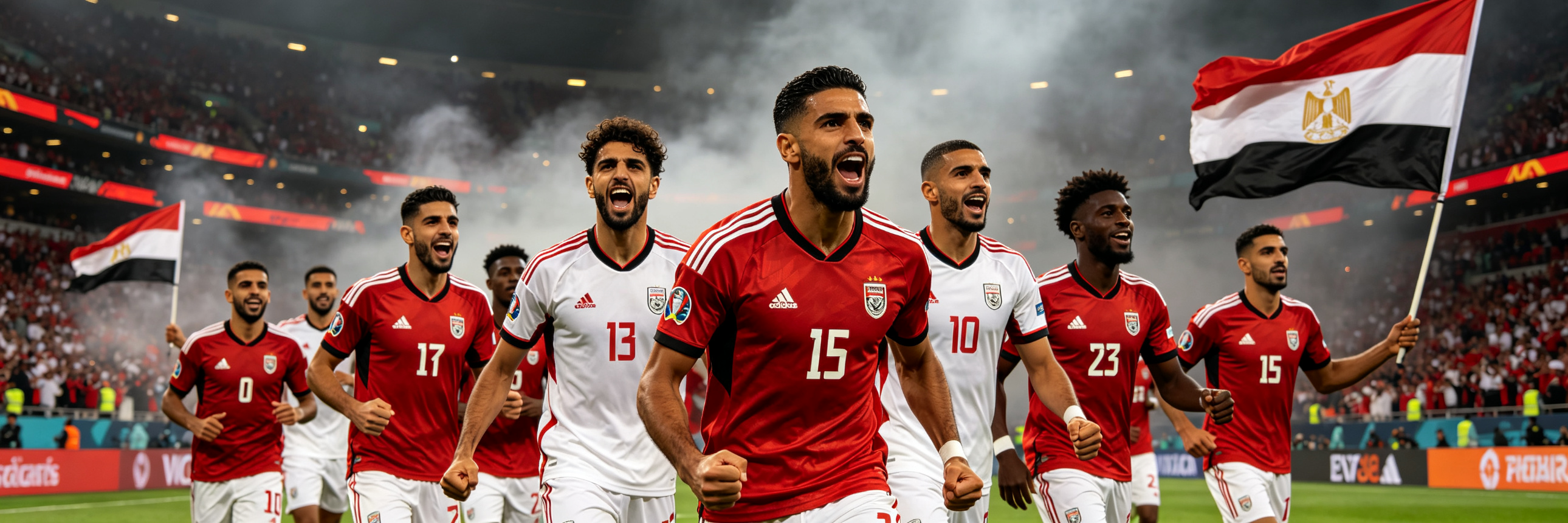
For Egypt, earning a point against one of Europe's strongest teams represents a significant achievement. The result strengthens confidence and improves their position in the race for qualification.
More importantly, the performance confirmed that Egypt possesses the defensive structure and tactical maturity required to compete against elite opposition.
The Pharaohs demonstrated that they are capable of challenging any team in the tournament when operating at their best.
How Does This Affect Belgium's World Cup Campaign?
While the draw is not a disaster for Belgium, it increases pressure heading into future group-stage matches. The Red Devils will likely need more efficient attacking performances if they hope to secure top position in the group.
Future opponents may study Egypt's approach and attempt to replicate similar defensive tactics.
Teams such as Germany Jerseys, Spain Jerseys, Portugal Jerseys, and Netherlands Jerseys will undoubtedly be observing these tactical developments closely.
Key Tactical Lessons from Belgium vs Egypt
- Possession statistics do not automatically translate into victories.
- Compact defensive structures remain highly effective in tournament football.
- Counterattacks can create opportunities even against possession-dominant teams.
- Midfield organization is essential for defensive stability.
- Tactical discipline can neutralize superior individual talent.
Related National Team Collections
- Belgium Jerseys
- Egypt Jerseys
- Brazil Jerseys
- Argentina Jerseys
- France Jerseys
- England Jerseys
- Germany Jerseys
- Spain Jerseys
- Portugal Jerseys
- Netherlands Jerseys
Conclusion: Egypt's Resilience Earns a Valuable Point
Belgium and Egypt ultimately shared the points after a match defined by tactical discipline, defensive organization, and strategic patience. While Belgium enjoyed greater possession and territorial control, Egypt's compact structure and intelligent counterattacking approach ensured that the Pharaohs remained competitive throughout. The result serves as another reminder that success at the FIFA World Cup depends not only on talent but also on preparation, discipline, and the ability to execute a game plan under pressure.