


One of the most fascinating tactical battles of the 2026 FIFA World Cup unfolded as Japan earned an impressive 2-2 draw against the Netherlands. The match showcased two distinct football philosophies colliding on the world's biggest stage. The Dutch relied on structured possession, positional rotations, and technical superiority, while Japan countered with relentless high pressing, explosive transitions, and remarkable tactical discipline.
For readers searching for Japan vs Netherlands tactical analysis, Japan high pressing system explained, 2026 FIFA World Cup tactical breakdown, and how Japan neutralized the Netherlands, this match provided one of the tournament's most intriguing strategic battles.
The result also sent a message to other contenders such as Brazil Jerseys, Argentina Jerseys, France Jerseys, and England Jerseys that Japan's tactical evolution continues to make them one of the most dangerous teams in international football.
Why Was This Match One of the Most Interesting Tactical Battles of the Tournament?
The Netherlands entered the match determined to dominate possession through their traditional positional structure. Their midfield controlled large portions of the ball, while defenders comfortably circulated possession in search of openings.
Japan approached the game differently. Instead of defending deep and waiting for counterattacks, they aggressively pressed high up the pitch, challenging the Dutch build-up from the very beginning. This strategy transformed what could have been a predictable possession battle into a chaotic and entertaining tactical contest.
How Did Japan's High Press Disrupt the Dutch Build-Up?
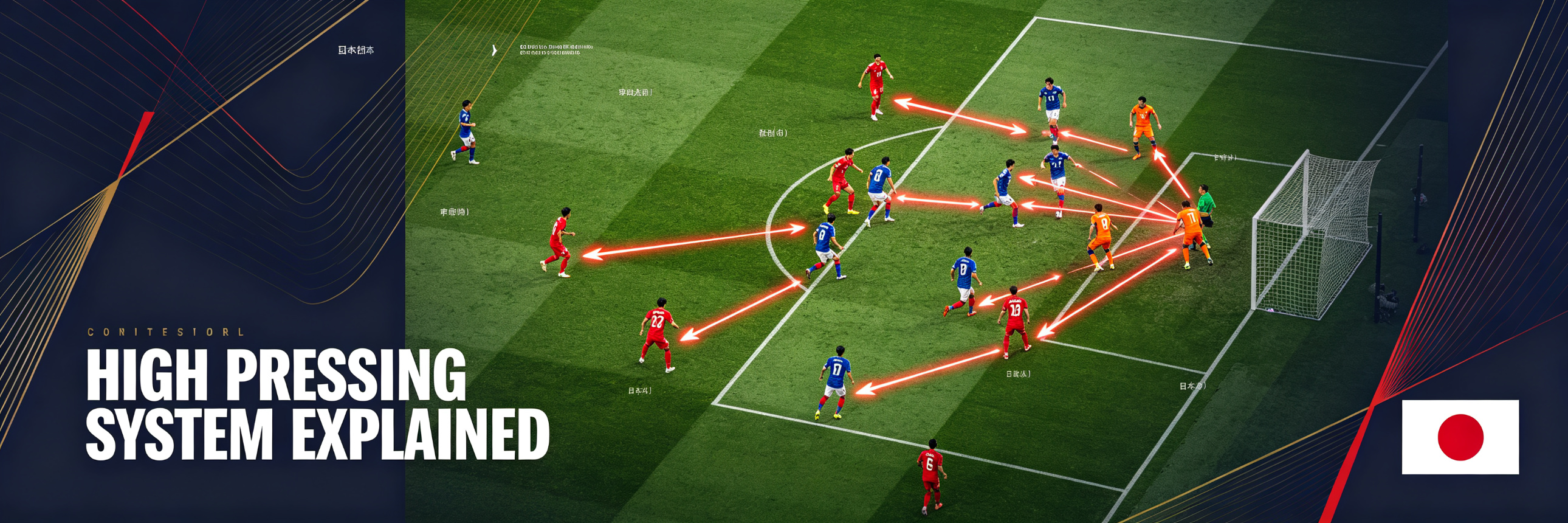
Japan's pressing structure was carefully organized rather than reckless. The front line pressed Dutch defenders immediately after possession was lost, while midfielders moved forward to block central passing lanes.
This approach prevented the Netherlands from comfortably progressing the ball through midfield. Whenever Dutch defenders attempted to play short passes, Japanese attackers closed down space with remarkable speed and coordination.
The result was a series of turnovers in advanced areas, allowing Japan to attack before the Dutch defensive shape could recover.
What Made Japan's Pressing So Effective?
The success of Japan's pressing system came from synchronization. Every player understood when to trigger pressure, when to cover passing options, and when to retreat into shape.
Rather than chasing the ball individually, Japan pressed collectively. This reduced the spaces available to Dutch midfielders and forced the Netherlands into uncomfortable long passes that disrupted their rhythm.
Fans studying modern pressing systems often compare such tactical discipline to elite teams featuring Germany Jerseys, Spain Jerseys, Portugal Jerseys, and Belgium Jerseys.
How Did the Netherlands Continue Creating Chances Despite the Pressure?
Despite Japan's relentless pressing, the Netherlands demonstrated why they remain one of the tournament's strongest sides. Their technical quality allowed them to escape pressure in key moments, while intelligent positional rotations created opportunities in advanced areas.
Dutch midfielders frequently switched positions to create new passing angles, forcing Japan's pressing structure to constantly adjust. This movement helped generate several dangerous attacks and ultimately contributed to their two goals.
The ability to maintain composure under pressure highlighted the strength of the Dutch possession-based system.
Why Were Transitional Moments So Important?
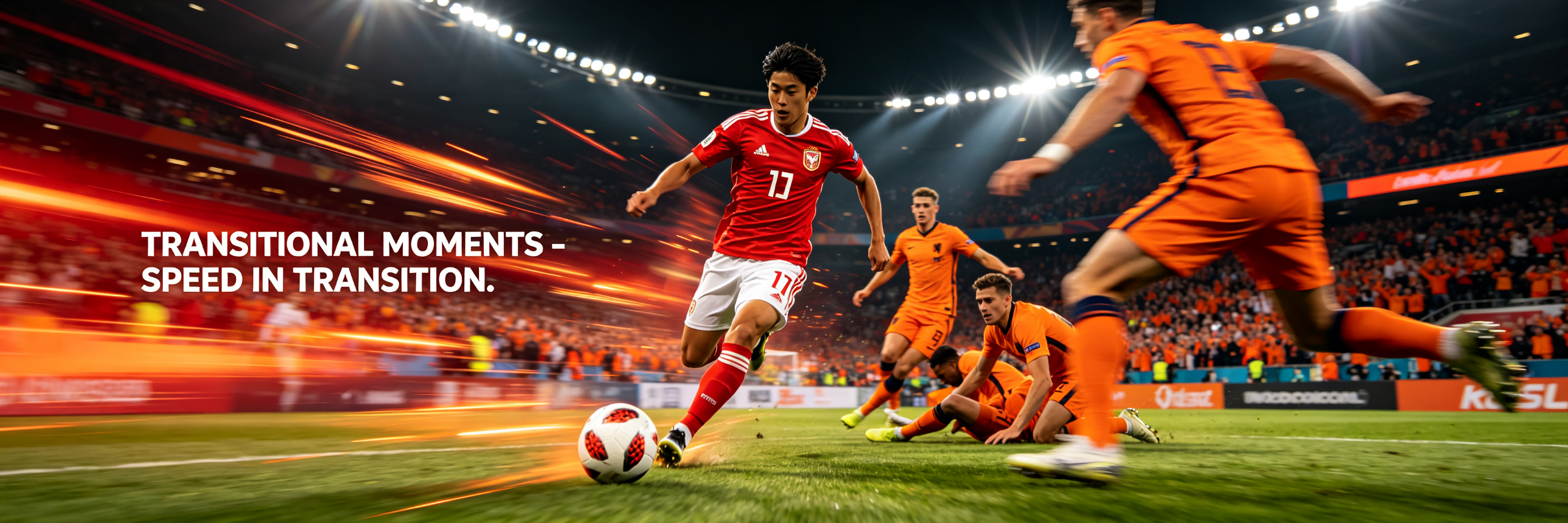
The match was largely decided in transition phases. Whenever possession changed hands, both teams immediately looked to exploit temporary defensive imbalances.
Japan's speed made them particularly dangerous during these moments. Quick vertical passes and aggressive forward runs allowed them to attack space before Dutch defenders could reorganize.
This combination of pressing and rapid transitions remains one of the most effective tactical weapons in modern football and played a crucial role in securing the draw.
Which Tactical Adjustments Changed the Game?
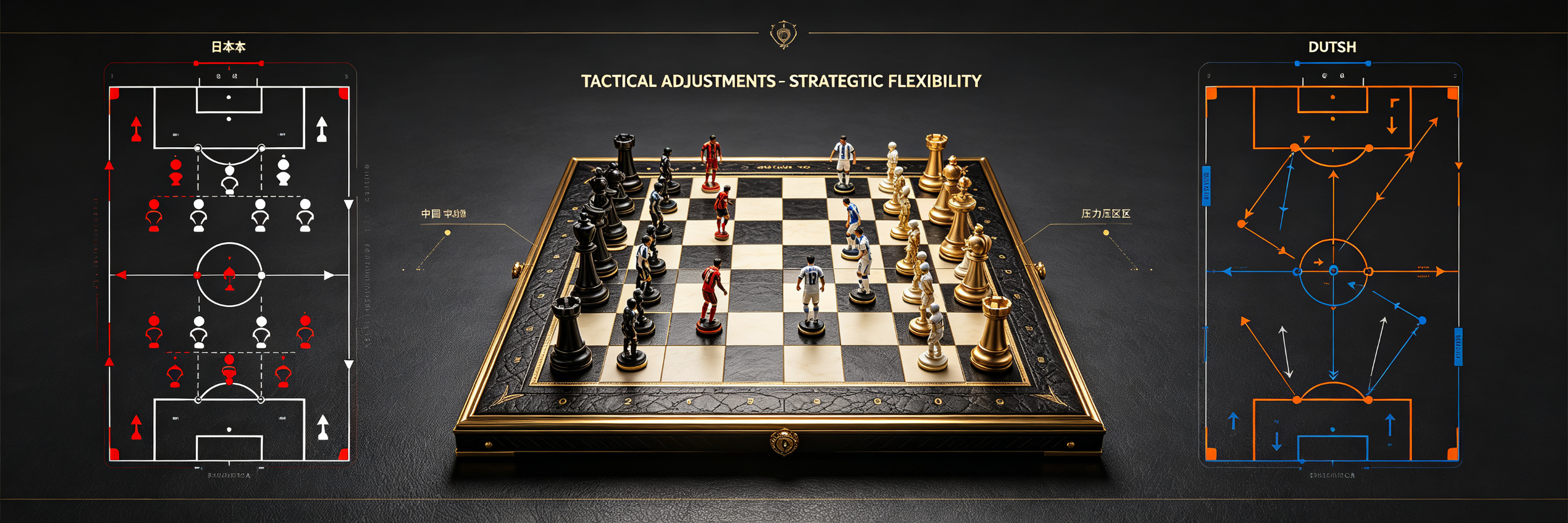
As the match progressed, both managers introduced subtle tactical adjustments. The Netherlands attempted to bypass Japan's press by using longer passes into wide areas, while Japan increased the intensity of their midfield pressure to limit Dutch control.
These changes created an increasingly open contest, producing end-to-end football that thrilled supporters and tactical analysts alike.
Similar tactical flexibility can often be seen among teams featuring France Jerseys, Croatia Jerseys, Uruguay Jerseys, and USA Jerseys, all of whom possess multiple ways to adapt during matches.
What Does This Result Mean for Japan?
The draw reinforces Japan's reputation as one of the most tactically sophisticated teams outside football's traditional superpowers. Their ability to challenge a possession-dominant side like the Netherlands demonstrates significant growth in both technical and tactical development.
For supporters searching for Japan World Cup tactical evolution, Japan knockout stage chances, and best Asian teams at the FIFA World Cup, this performance provides strong evidence that Japan can compete with elite opposition.
Can Japan's High-Pressing Style Succeed Against Other Top Nations?
The answer appears increasingly positive. Modern football rewards teams capable of controlling space, winning possession quickly, and transitioning efficiently. Japan displayed all three qualities against the Netherlands.
While stronger opponents may present different challenges, the underlying principles of Japan's system remain highly effective. Their combination of organization, fitness, and tactical intelligence makes them a difficult opponent for any team.
How Does This Affect the Netherlands Going Forward?
The Netherlands will likely view the draw as both a warning and a learning opportunity. While their possession game remained impressive, the match exposed vulnerabilities when facing coordinated high pressure.
Addressing those issues could become crucial later in the tournament, particularly if they encounter teams that press with similar intensity.
For readers researching Netherlands World Cup tactical strengths and weaknesses or how to counter high pressing football, this match offers valuable insights into both challenges and solutions.
Related National Team Collections
- Japan Jerseys
- Netherlands Jerseys
- Germany Jerseys
- Brazil Jerseys
- Argentina Jerseys
- France Jerseys
- England Jerseys
- Spain Jerseys
- Portugal Jerseys
- USA Jerseys
Final Verdict

Japan's 2-2 draw against the Netherlands was far more than an entertaining result—it was a tactical showcase demonstrating how intelligent pressing can challenge even the most possession-oriented teams. Through coordinated pressure, rapid transitions, and disciplined positioning, Japan successfully disrupted the Dutch rhythm and earned a valuable point. As the 2026 FIFA World Cup progresses, this match may be remembered as one of the clearest examples of how speed, organization, and tactical courage can compete with technical dominance on football's biggest stage.