

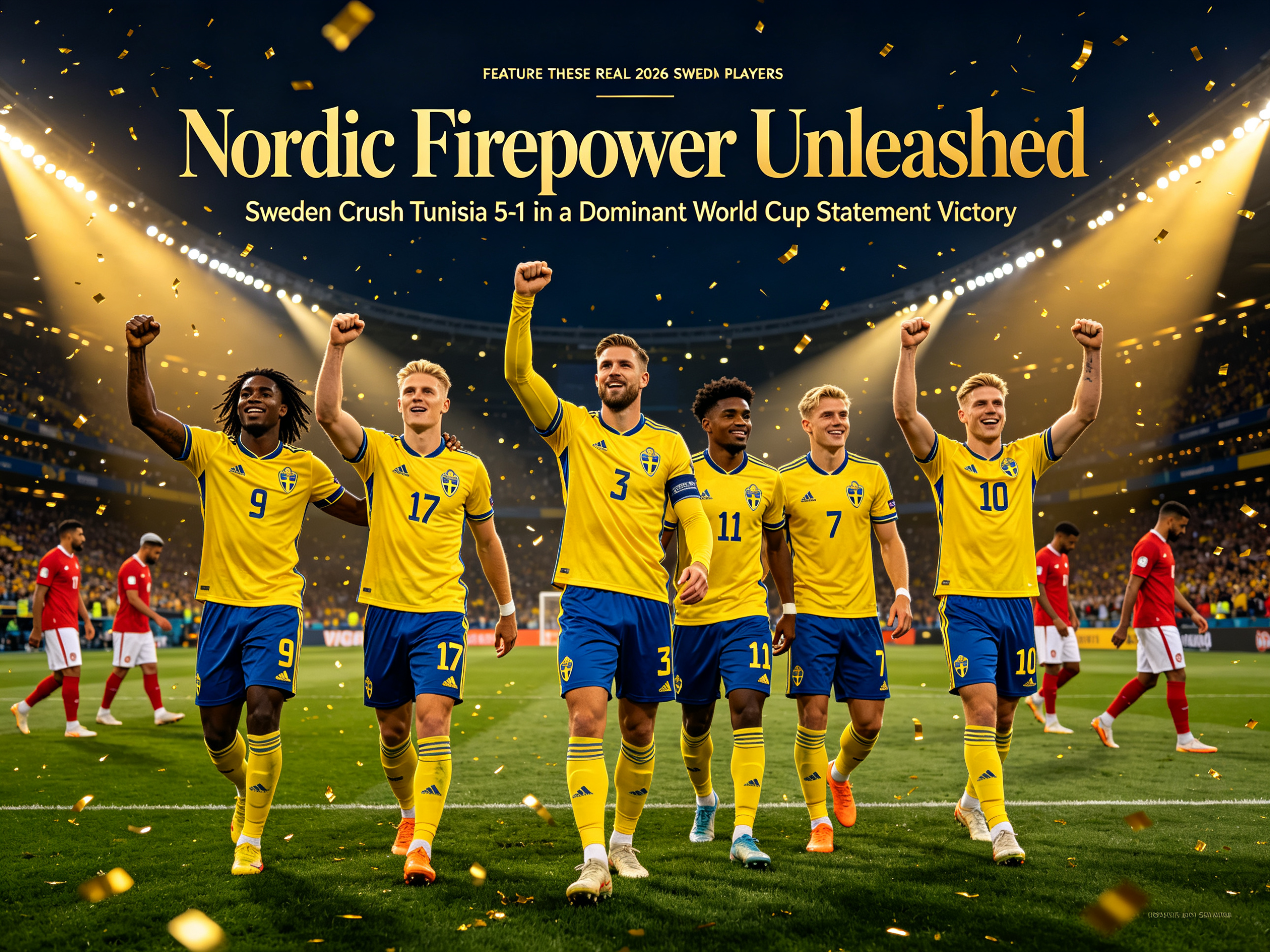
Sweden delivered one of the most explosive performances of the 2026 FIFA World Cup so far, dismantling Tunisia 5-1 in a match that showcased their attacking efficiency, tactical discipline, and ruthless finishing. The Nordic side, often known for structured play and defensive solidity, produced a rare offensive masterclass that overwhelmed their North African opponents from start to finish.
For readers searching for Sweden vs Tunisia tactical analysis, Sweden 5-1 World Cup victory breakdown, Nordic team attacking performance 2026 FIFA World Cup, and how Sweden scored five goals against Tunisia, this match provides a perfect example of how structured football can transform into devastating attacking force.
The result also captured global attention as fans continue following elite squads such as Brazil Jerseys, Argentina Jerseys, France Jerseys, and England Jerseys, all competing for dominance on the world stage.
Why Did Sweden Dominate So Completely?

From the opening minutes, Sweden imposed their rhythm on the game. Their structured build-up play allowed them to control possession, while their forward players exploited space with intelligent movement and clinical finishing.
Tunisia attempted to maintain defensive compactness, but Sweden’s tempo and positional rotations made it increasingly difficult to contain sustained pressure.
The early breakthrough set the tone for the match, forcing Tunisia to open up and leaving even more space for Sweden to exploit.
What Made Sweden’s Attack So Effective?
Sweden’s attacking success came from a combination of width, vertical passing, and coordinated movement in the final third. Their wingers consistently stretched Tunisia’s defensive line, while midfielders timed their forward runs to perfection.
Instead of relying on individual brilliance alone, Sweden’s goals came from collective attacking patterns that repeatedly broke defensive structure.
Teams with similar attacking organization include those wearing Germany Jerseys, Spain Jerseys, Portugal Jerseys, and Netherlands Jerseys.
How Did Sweden Break Tunisia’s Defensive Shape?
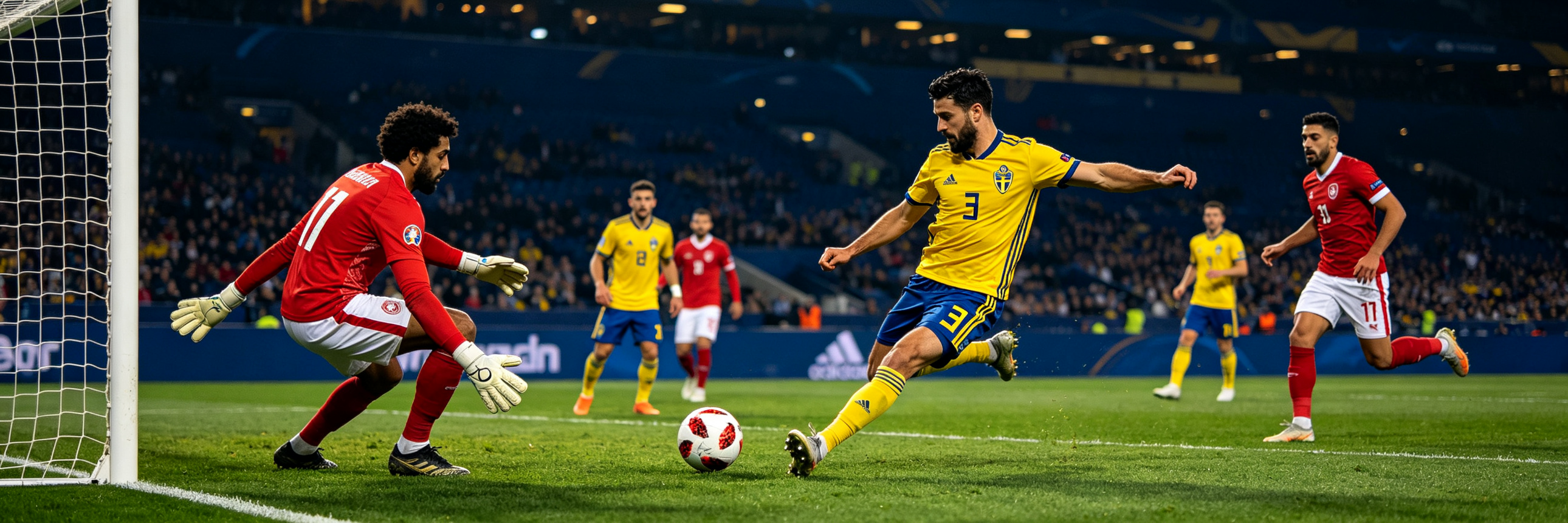
Tunisia initially defended with a compact low block, aiming to limit space in central areas. However, Sweden quickly adapted by switching play and stretching the pitch horizontally.
This forced Tunisia’s defensive line to shift constantly, creating small gaps that Sweden exploited with quick passing combinations and overlapping runs.
Once the first goal was scored, Tunisia were forced to step higher, which only increased the space available for Sweden’s counterattacks.
What Role Did Midfield Control Play?
Sweden’s midfield was the foundation of their dominance. They controlled tempo, dictated transitions, and ensured a constant supply of progressive passes into attacking areas.
By winning second balls and maintaining positional discipline, Sweden prevented Tunisia from establishing any meaningful attacking rhythm.
This midfield structure mirrored top-level European sides such as Croatia Jerseys, Uruguay Jerseys, Belgium Jerseys, and Scotland Jerseys.
Why Was Tunisia Unable to Respond?
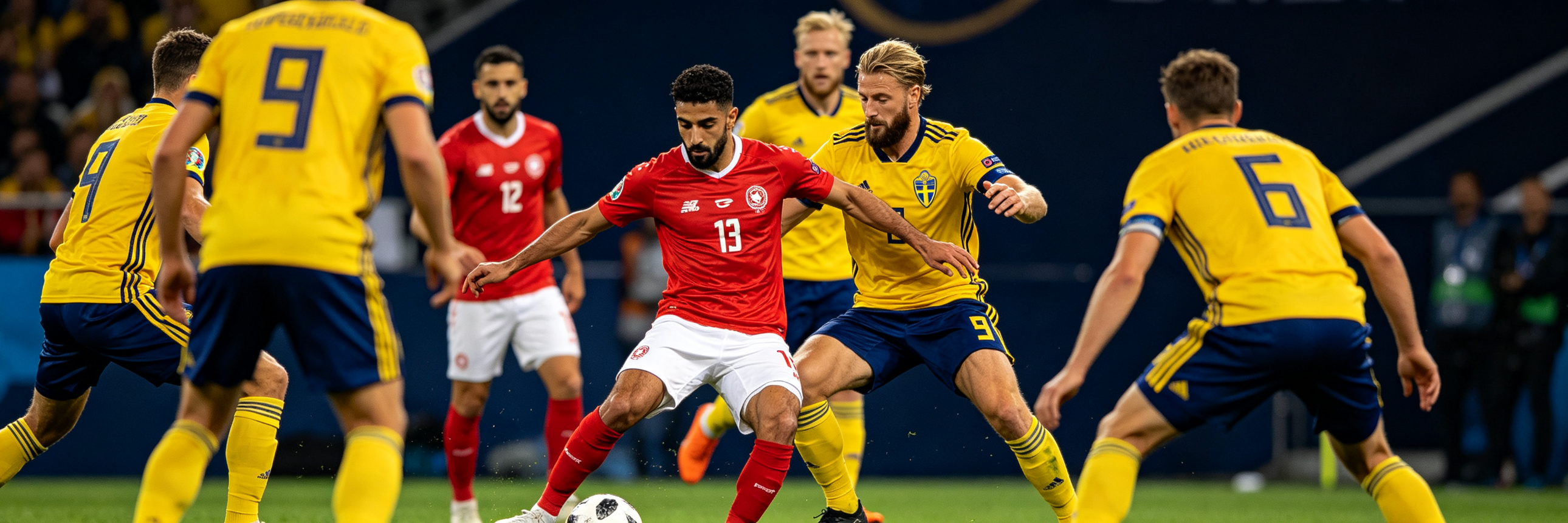
Tunisia struggled to cope with Sweden’s intensity and tactical fluidity. While they managed to score once, their overall attacking output was limited due to Sweden’s defensive organization.
Every time Tunisia attempted to build forward, Sweden applied coordinated pressure, forcing turnovers and quickly regaining control of possession.
As the match progressed, fatigue and tactical disorganization became increasingly visible in Tunisia’s defensive structure.
How Did Sweden Maintain High Scoring Efficiency?
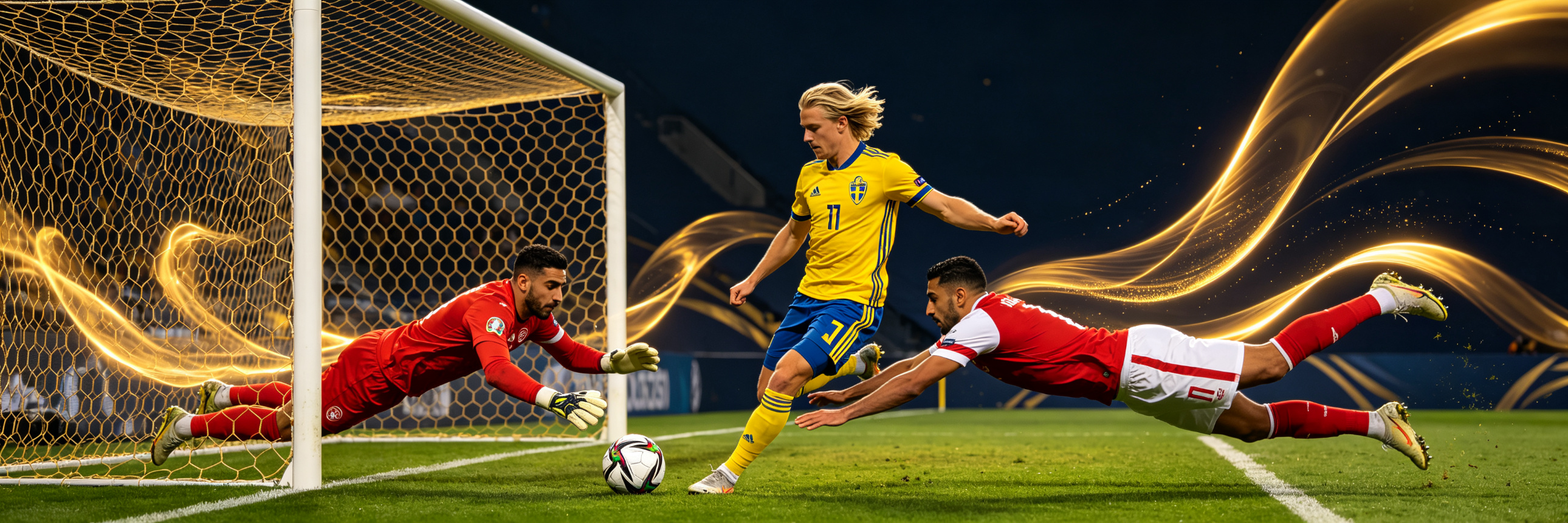
One of the most impressive aspects of Sweden’s performance was their finishing efficiency. Unlike many high-scoring matches where chances are wasted, Sweden converted a high percentage of their opportunities.
Their attackers showed excellent composure inside the penalty area, ensuring that almost every major chance was turned into a goal.
This level of efficiency is often what separates good teams from elite tournament contenders.
What Tactical Lessons Can Be Learned From This Match?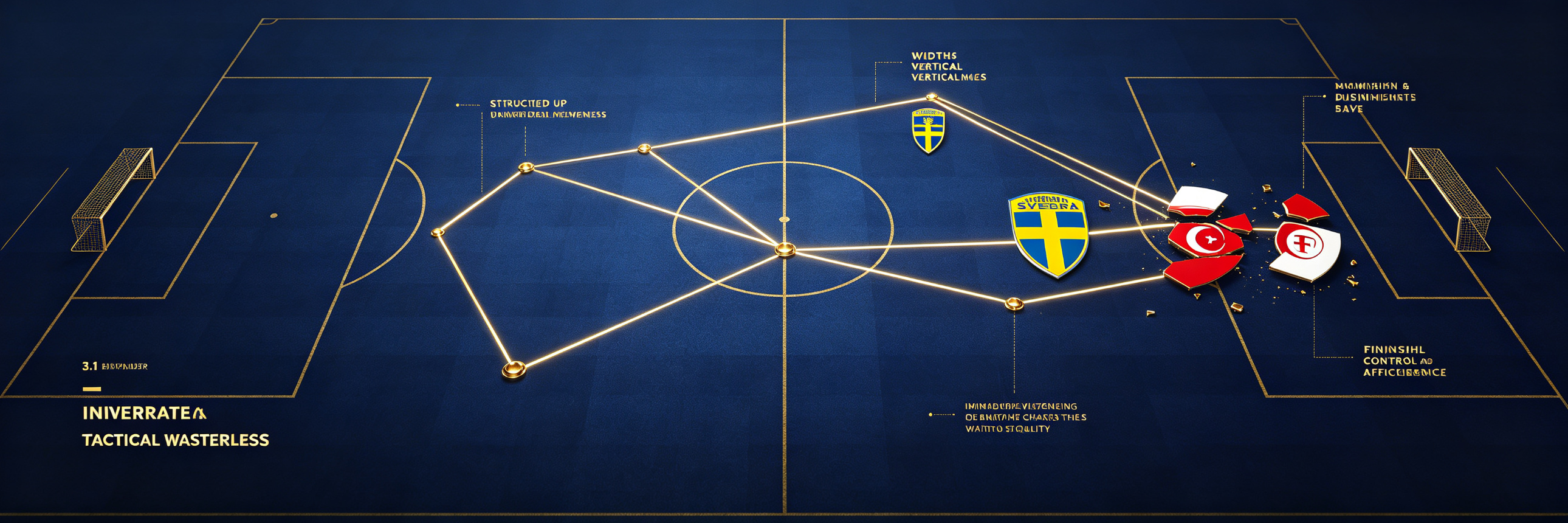
The match highlights several key tactical insights relevant to modern football:
- Structured build-up play can evolve into high-scoring attacking dominance.
- Width and vertical movement are essential against compact defensive blocks.
- Midfield control dictates both attacking and defensive stability.
- Efficiency in finishing can turn control into a blowout result.
- Defensive blocks must adapt quickly or risk being broken down repeatedly.
Related National Team Collections
- Sweden Jerseys
- Tunisia Jerseys
- Brazil Jerseys
- Argentina Jerseys
- France Jerseys
- England Jerseys
- Germany Jerseys
- Spain Jerseys
- Portugal Jerseys
- Netherlands Jerseys
Conclusion: Sweden Announces Itself as an Attacking Force
Sweden’s 5-1 victory over Tunisia was more than just a dominant scoreline—it was a statement of intent. Combining tactical discipline, intelligent movement, midfield control, and clinical finishing, the Nordic side delivered one of the most complete performances of the 2026 FIFA World Cup. If they continue to replicate this level of efficiency and cohesion, Sweden could emerge as one of the most dangerous attacking teams in the tournament.