

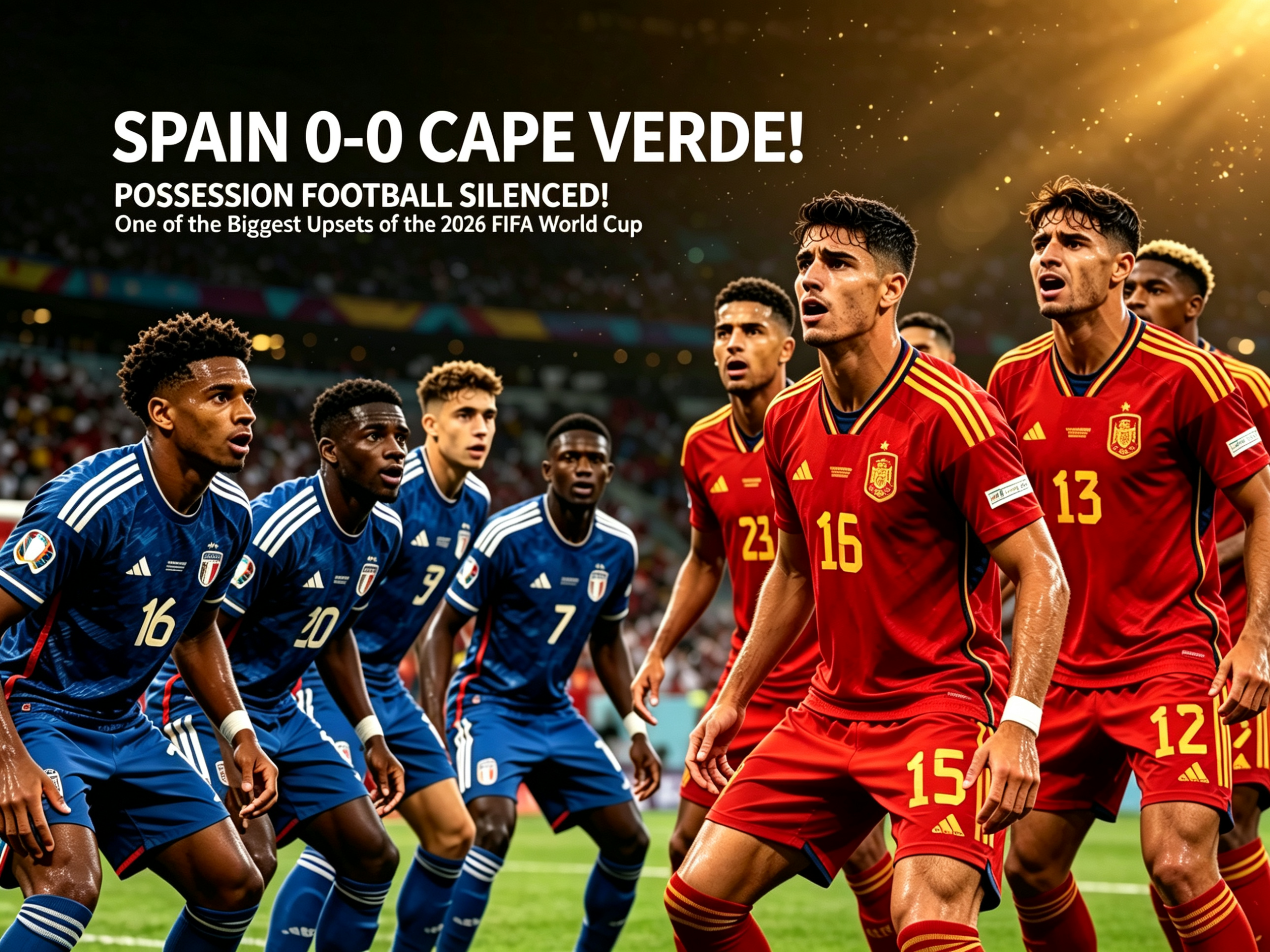
The 2026 FIFA World Cup produced its first true shockwave as Spain, one of the tournament's most technically gifted teams, was unexpectedly held to a goalless draw by African underdog Cape Verde. Entering the match as overwhelming favorites, Spain dominated possession and controlled large portions of the game, yet failed to find a breakthrough against a remarkably disciplined Cape Verde side.
For football fans searching for Spain vs Cape Verde tactical analysis, 2026 FIFA World Cup biggest upset, why Spain could not score against Cape Verde, Cape Verde defensive masterclass, and Spain possession football problems explained, this match has quickly become one of the tournament's most discussed tactical battles.
The unexpected result immediately sparked conversations among supporters following elite nations such as Brazil Jerseys, Argentina Jerseys, France Jerseys, and England Jerseys, proving once again that no team is guaranteed success on football's biggest stage.
Why Is Spain's 0-0 Draw Being Viewed as a Major World Cup Shock?
Spain entered the tournament carrying significant expectations. Renowned for technical superiority, midfield control, and a possession-heavy style, La Roja was expected to dominate against a Cape Verde team making another historic appearance on the global stage.
Instead, the match became a lesson in tactical discipline. Despite controlling possession statistics and spending long periods in attacking territory, Spain struggled to convert dominance into meaningful scoring opportunities.
For Cape Verde, the result felt like a victory and instantly became one of the most important performances in the nation's football history.
How Did Cape Verde Stop One of the World's Best Possession Teams?
Cape Verde approached the match with a clear and intelligent game plan. Rather than attempting to compete for possession, they focused on maintaining defensive compactness and protecting central areas.
The African side consistently denied Spain access to dangerous spaces between the lines. Whenever Spanish midfielders attempted to advance play through the middle, Cape Verde compressed the space and forced attacks toward the flanks.
This defensive organization frustrated Spain and prevented the creation of clear-cut chances throughout the ninety minutes.
Did Spain Control the Ball Without Creating Enough Danger?
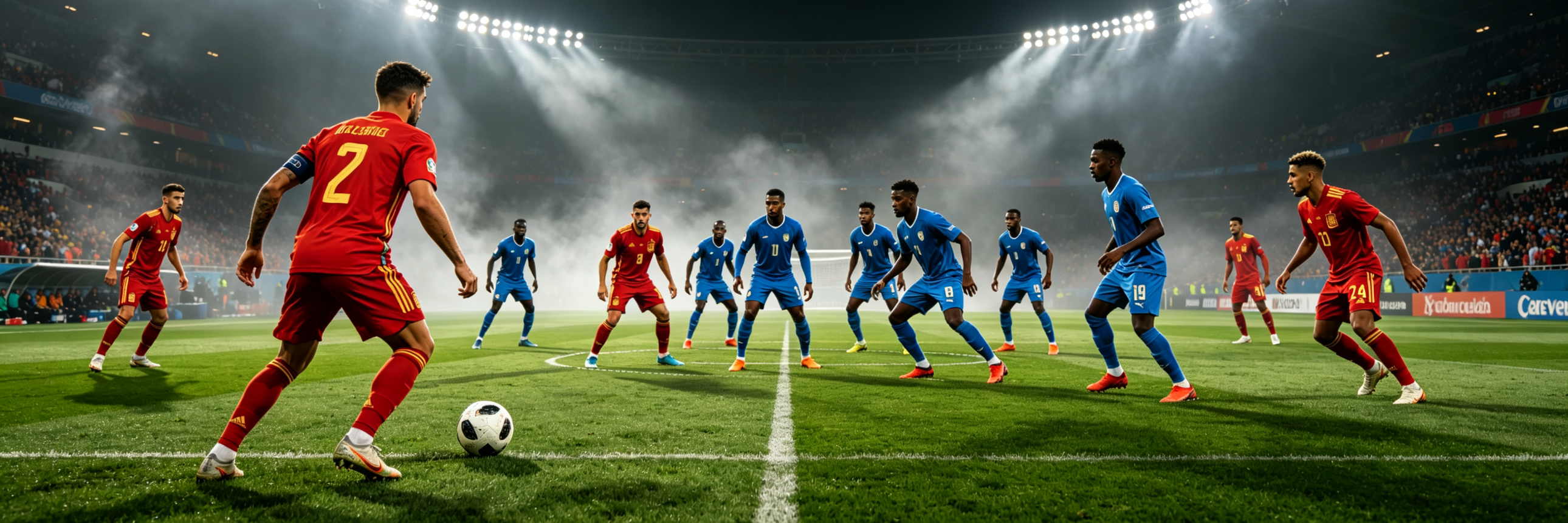
One of the defining themes of the match was the difference between possession and effectiveness. Spain circulated the ball beautifully and dominated territorial control, but much of their possession occurred in areas that posed little threat to Cape Verde's goal.
The Spanish attack lacked the penetration needed to break through an organized defensive block. While passing sequences were impressive, the final decisive pass was often missing.
This match demonstrated a growing trend in modern football: possession alone is no guarantee of success.
What Tactical Mistakes Did Spain Make?
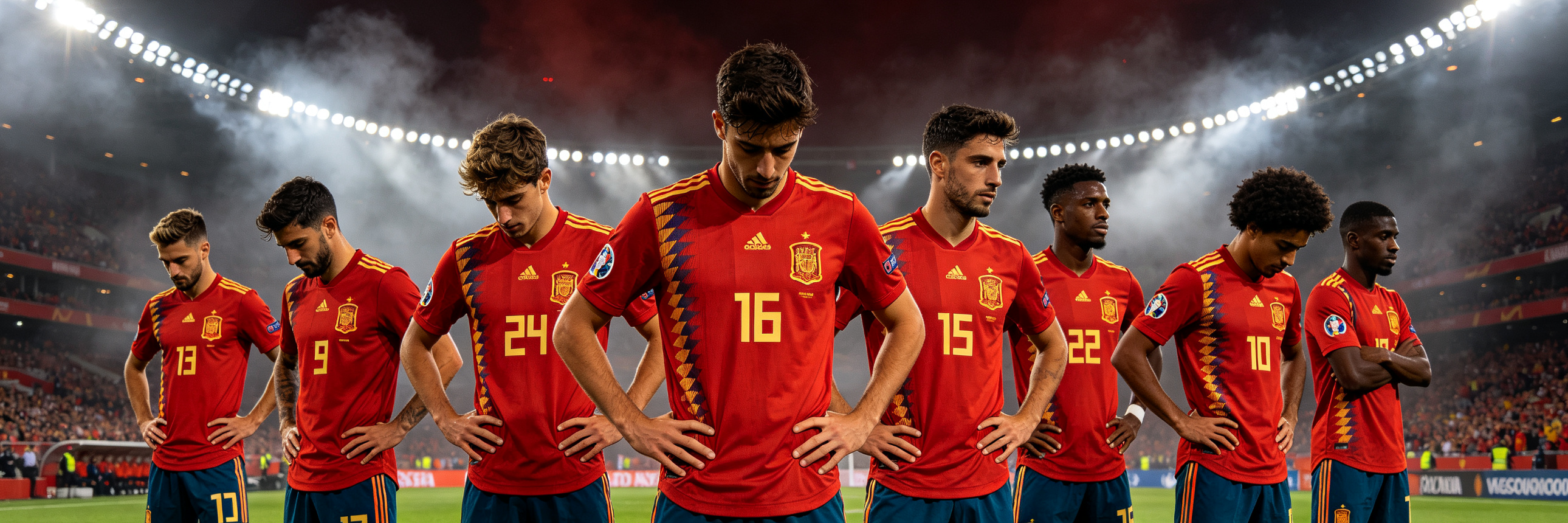
Spain's biggest challenge was predictability in the final third. Cape Verde quickly recognized attacking patterns and adjusted accordingly.
Crosses into crowded areas, slow circulation around the penalty box, and a lack of direct vertical runs made it easier for defenders to remain organized.
Without sufficient movement behind the defensive line, Spain found itself repeatedly attacking against a fully prepared defensive structure.
Similar tactical challenges have occasionally affected teams represented by Netherlands Jerseys, Germany Jerseys, Portugal Jerseys, and Belgium Jerseys when facing compact defensive systems.
Why Was Cape Verde's Defensive Performance So Effective?
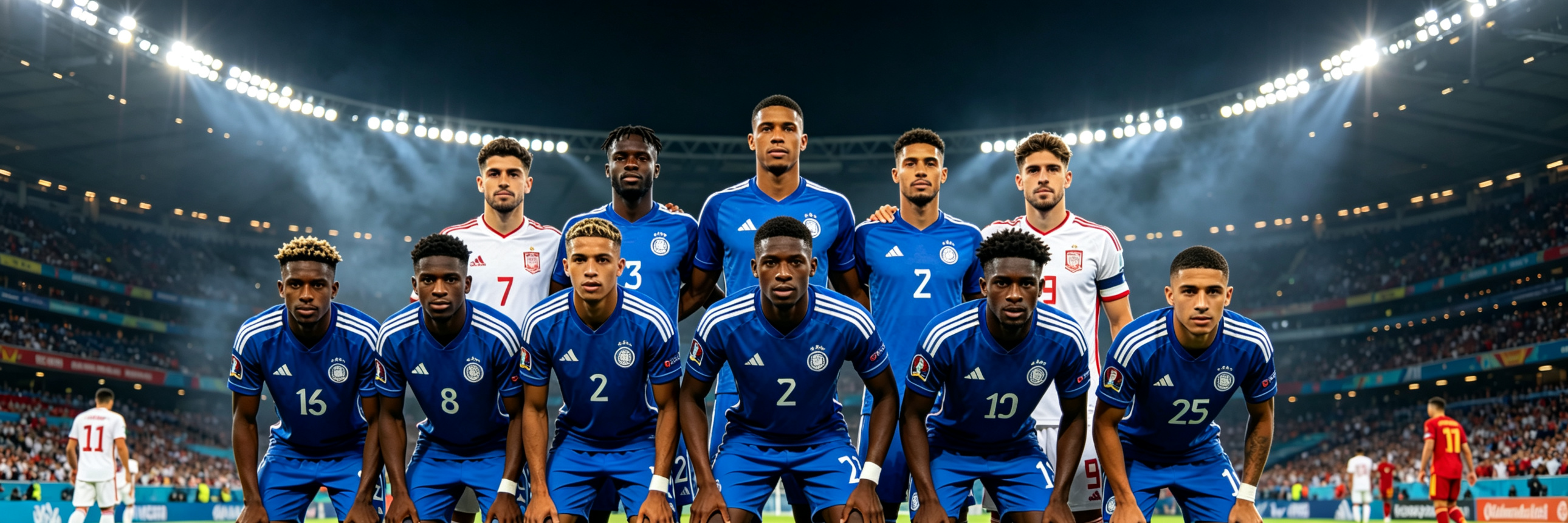
The answer lies in collective discipline. Every Cape Verde player contributed defensively, ensuring that spaces remained limited and transitions were managed effectively.
Their defenders maintained excellent positioning, while midfielders consistently tracked runners and blocked passing lanes. Even when Spain increased attacking pressure late in the match, Cape Verde remained composed.
The performance highlighted the importance of teamwork over individual brilliance.
Could Cape Verde Have Actually Won the Match?
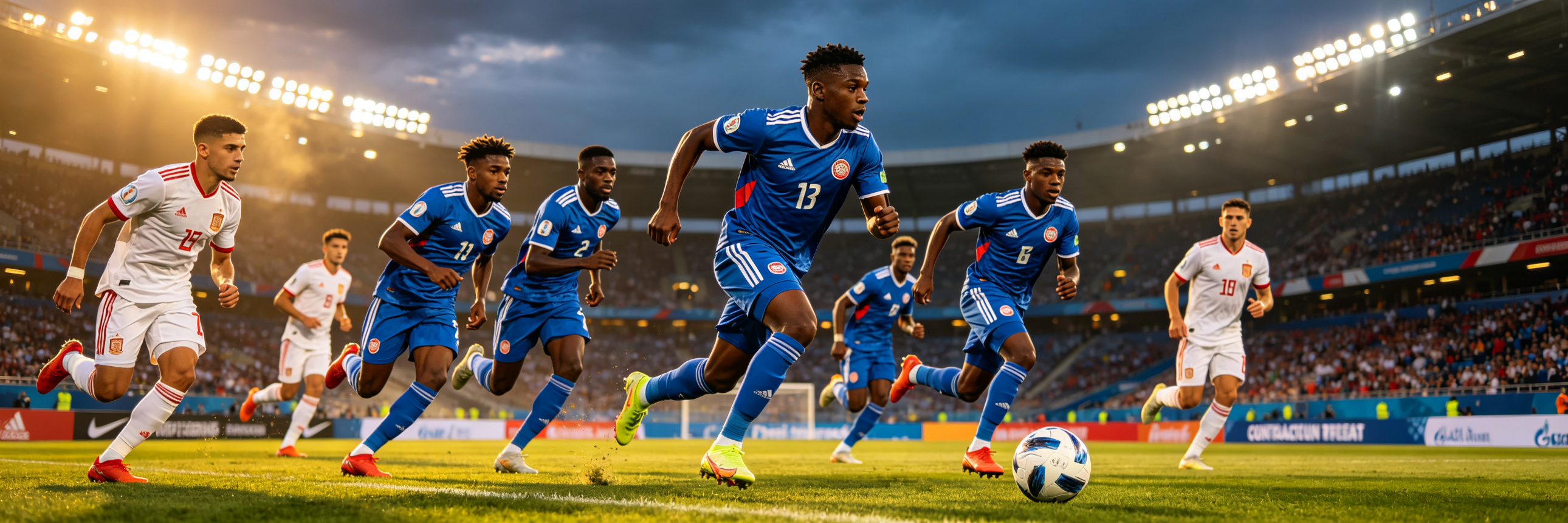
Although Spain dominated possession, Cape Verde generated several dangerous counterattacking opportunities. Their quick transitions exposed occasional gaps left behind Spain's advancing full-backs.
A slightly more accurate final pass or finish could have transformed a memorable draw into one of the greatest upsets in FIFA World Cup history.
This attacking threat prevented Spain from committing too many players forward and contributed to the balance of the contest.
What Does This Mean for Group H?
The draw dramatically changes the complexion of Group H. Spain was expected to take an early lead in the standings, but dropping points immediately increases pressure ahead of upcoming matches.
Cape Verde, meanwhile, gains confidence and momentum heading into the remainder of the group stage.
With teams such as Uruguay Jerseys and Saudi Arabia Jerseys also competing in the group, qualification scenarios remain completely open.
What Can Other Teams Learn From Cape Verde's Strategy?
Cape Verde's approach offers valuable lessons for teams facing technically superior opponents. Defensive organization, compact spacing, and disciplined transitions remain among the most effective tools in tournament football.
Rather than chasing possession, Cape Verde focused on controlling dangerous spaces and forcing Spain into less effective attacking areas.
This blueprint may inspire other underdogs throughout the remainder of the competition.
How Does This Result Impact Spain's World Cup Ambitions?
Spain remains one of the strongest teams in the tournament, but this result serves as an early warning. Future opponents will likely study Cape Verde's defensive structure and attempt to replicate similar tactics.
To progress deep into the competition, Spain must find solutions against compact defensive blocks and improve efficiency in the final third.
The pressure now increases significantly heading into their next group-stage fixture.
Key Tactical Lessons From Spain vs Cape Verde
- Possession dominance does not automatically lead to goals.
- Compact defensive structures remain highly effective in international football.
- Counterattacking threats can balance possession disparities.
- Patience and discipline are crucial against technically superior opponents.
- Tournament football often rewards organization over reputation.
Related National Team Collections
- Spain Jerseys
- Cape Verde Jerseys
- Brazil Jerseys
- Argentina Jerseys
- France Jerseys
- England Jerseys
- Germany Jerseys
- Netherlands Jerseys
- Portugal Jerseys
- Uruguay Jerseys
Conclusion: Cape Verde Delivers the Tournament's First Major Surprise
Spain's 0-0 draw against Cape Verde will be remembered as one of the defining moments of the 2026 FIFA World Cup group stage. While Spain controlled possession and dictated much of the match, Cape Verde demonstrated that tactical discipline, defensive organization, and unwavering concentration can neutralize even the most sophisticated football systems. As the tournament progresses, this result stands as a powerful reminder that in World Cup football, reputation means little without execution.